
Choosing Lube Equipment to Combat Extreme Weather Conditions
Wherever you work, you’ve likely experienced a range of weather and temperature changes on the jobsite. While the remainder of the year remains uncertain, the last thing you need is to worry about if your equipment can hold up to a changing climate. Below are some tips to help you choose the best lube truck or lube skid for your location.
Lube Trucks for Cold Climates
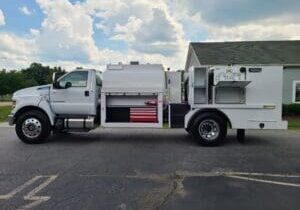
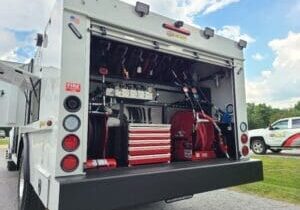
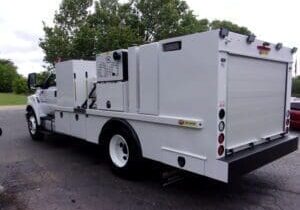
In a cold climate, an enclosed lube truck is your best protection against rain, snow, and ice – as well as protecting your products from lower temperatures. If extreme low temperatures are a constant issue, our lube trucks can even include tank heaters and/or a heated truck bed to guarantee smooth fluid flow throughout the work day. Additionally, our trucks can come equipped with strategically placed hydraulic pumps instead of air pumps to move fluids. Hydraulic pumps are especially more reliable in colder weather.
Lube Skids for Hot Weather
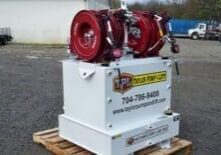
In hot conditions, it is often better not to have your lube equipment enclosed or insulated. Skids allow for significantly better ventilation versus a lube truck, which can be crucial in conditions where sun is directly overhead and/or humidity contributes to sweltering temperatures. Additional safety features, such as emergency pressure release valves, protect your tools and employees as well.
Other Considerations
Weather protection is just one factor in selecting the right lube product equipment. Product volumes, compressor and pump system options, and reel setup are all important in helping you select the right equipment for your business needs.
Interested in what we can build for you? Call our office or contact us!

RELATED ARTICLES

What Determines Whether a Fuel-Lube Truck Fits Your Operation
Fleet size, site layout, and fuel supply determine whether a fuel lube truck fits. Here’s what to consider and what we work through on the build.
Why Crews Keep Coming Back to the Same Lube Truck Builder
Why do crews keep calling the same distributor for their next lube truck? It comes down to asking the right questions before the build begins.
Building a Lube Truck Around the Job It Has to Do
A lube truck built around your job fits from day one. See how fluid mix, daily volume, job site, and chassis shape the right custom build.
Customizing Mobile Oil Change Service Trucks for Multi-Site Fleet Work
Keeping multiple job sites serviced takes coordination and the right equipment. When crews are spread out, the way your service truck is set up makes all the difference in how smoothly the day runs. A well-built mobile oil change service truck keeps maintenance consistent and crews productive. It’s not about bells and whistles, but about…
7 Things Fleet Coordinators Should Look For When Shopping for Lube Skids
When your job is to keep crews moving and equipment serviced, a lube skid can be a part of what keeps the whole operation steady. Every hose, pump, and tank plays a role in how smoothly the day runs. Whether it’s your first skid or your fifth, the same principles apply: match the build to…
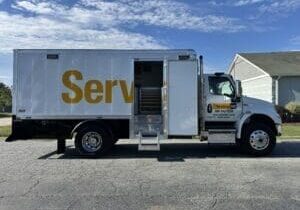
Training New Crews on Your Lube Service Setup & Lube Service Body Before You Roll Out
Bringing new hands onto the crew can shift the pace. There’s a little more explaining, a few extra checks— that’s normal. The key is helping operators get comfortable with your lube setup quickly so the work keeps moving safely and efficiently. At Taylor Pump & Lift, we’ve seen how structured training keeps crews in sync…

Rebuilding a Pump (in Under 30 Seconds)
Our trucks and skids often get the majority of our limelight, but our in-house repair team is a key part of our TPL powerhouse. Working with a variety of oil pumps, meters, and reels, this team often has the tedious (but rewarding) job of diagnosing, repairing, and reassembling equipment for almost every customer in our…
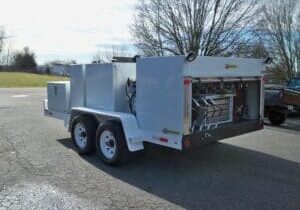
What Makes a Fuel and Lube Trailer Truly Fleet-Ready? Specs That Matter
Fleet maintenance teams count on equipment that performs the same way every day. A fuel and lube trailer or lube service trailer is part of the rhythm that keeps service schedules tight, machines supplied, and crews focused on production instead of waiting on service. A trailer built for fleet work is designed with reliability at…
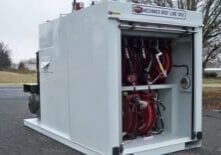
How to Customize a Lube Skid for Service Trucks Across Multiple Sites
If you manage a fleet that’s constantly bouncing between job sites, you know the drill: trucks waiting on fluids, machines parked mid-shift, crews wasting hours on runs back to the shop. Every delay eats into production and drives costs through the roof – and the waste adds up fast for a single truck burning about…

How Decision Makers in Construction Save Money with In-House Mobile Lube Equipment
Similar to most industries, in construction, time is money – which means keeping your vital heavy equipment running smoothly, without unnecessary downtime, is essential to staying on schedule and on budget. This factor is especially important as construction companies across the U.S. work to stay ahead and complete projects before the winter season rolls in…