
How to Customize a Lube Skid for Service Trucks Across Multiple Sites
If you manage a fleet that’s constantly bouncing between job sites, you know the drill: trucks waiting on fluids, machines parked mid-shift, crews wasting hours on runs back to the shop.
Every delay eats into production and drives costs through the roof – and the waste adds up fast for a single truck burning about $70,000 in fuel a year, as much as 8% ($5,600) is lost to idling. Multiply that across a fleet, and downtime adds up fast in cost and lost production.
Most fleet managers and maintenance coordinators have tried the “workarounds” — barrels in the bed, makeshift pumps, or just running equipment until someone has to shut it down. But none of that cuts it when you’re measured by uptime and budget.
A well-built lube skid for service trucks can turn your service vehicle into a rolling maintenance hub, giving crews what they need without burning time running back to the shop for fluids or parts.
Why Custom Matters for Fleet Managers
Catalog skids are usually designed to cover the average types of applications and service volumes. But when you’re running crews across multiple sites, it helps to have a setup tailored to the way your fleet really moves.
A skid that fits your routes and fluids makes day-to-day service predictable, instead of forcing workarounds. It comes down to a few everyday realities for crews working across multiple sites:
- Challenge: keeping multi-site crews serviced without wasting fuel, hours, and manpower.
- Pressure: balancing cost, compliance, and uptime.
- Reality: no two job sites look the same, and no one-size-fits-all skid actually works.
A custom lube skid is crafted to make service repeatable across multiple sites. That means tank capacities that fit your demand, reels mounted for easy access and use, waste oil handled cleanly, and DEF dispensing that doesn’t slow down a shift.
Before we tackle tanks, pumps, and layouts, we start with one question: How does your fleet really move day to day?
Map the Route Before You Spec the Skid
Every fleet services its equipment in a specific way that works for them. When you design your skid with the way your crews actually run routes, you cut down on wasted trips and keep service steady.
Building the right skid starts with three key considerations:
Duty Cycle: How far do your service trucks travel in a day? How many pieces of equipment do they service per shift? A county utility truck doing 15 will need a widely different setup than a mining truck that sits all day in one pit.
Fluid Demand: Which fluids do your crews reach for most during the day? Engine oil, hydraulic, grease, coolant, DEF — the order changes by industry. If the hydraulic reel gets pulled first every time, set it up where it saves the most steps.
Volume Balance: Tanks sized to match your crew’s daily fluid use, so the truck isn’t hauling dead weight or running dry halfway through the shift. When crews finish the day with tanks close to empty, you know the skid is dialed in.
Some of the best insights come from riding along with the crew. A single shift usually shows where tanks run short, where weight’s dragging, and where time gets lost.
Build Choices That Actually Save Time
Once you’ve mapped the route, the next step is designing a skid that makes sense in the field. A skid layout that flows with the way crews work keeps patience high and service quick.
Tanks & Layout
High-use fluids work best when grouped together, with reels at shoulder height so the crew isn’t crouching or climbing all shift. A well-thought-out skid should feel natural, with every hose right where you expect it and no wasted motion.
You’ll see the same approach in our custom lube trucks built for crew efficiency.
Pumps & Meters
Match pumps to the fluids and the conditions they run in. Grease, oil, and DEF all move differently depending on temperature and viscosity. Having the right pump keeps the flow steady and the work moving.
For meters, the goal is the same: make the job easier and more accurate. Digital meters have become standard on most skids because they are affordable, quick to calibrate, and provide clear readouts. Mechanical meters are still a solid choice when you want something that can be serviced easily with basic tools. The choice depends on what fits your crew best, whether that is simple and field-ready or precise and data-driven.
Waste Oil Containment
Waste oil setups work best when they’re built for speed and simplicity: quick-drain ports, sealed tanks, and clean transfer systems. That way, crews can drain it, cap it, and get back to work without extra hassle.
Power and DEF: The Time-Savers That Make or Break a Skid
Once the layout’s set, the next big time-saver comes down to how you power the skid and how you handle DEF.
Power Options
Power choice plays a big role in uptime. Crews that already run air tools often tie the skid into that system, while others lean on electric setups for simplicity. In colder regions, heaters keep pumps moving when temperatures drop. The goal is simple: steady flow every shift.
DEF Handling
Keep DEF clean by keeping the equipment clean. Even small traces of oil or fuel from non-DEF gear or an uncleaned line can contaminate the fluid, and ISO 22241 requires clean, compatible equipment. In practice, that means using dedicated tanks, reels, and hoses or thoroughly cleaning them before use. Closed-loop transfer keeps the system sealed, compliant, and reduces waste and rework.
Peer Tip: Never cut corners on DEF. Crews hate redoing work, and a contaminated DEF system costs way more than a dedicated line.
Multi-Site Flexibility: Mounting, Transfer, and Protection
Flexibility keeps your fleet moving. Multi-site operations don’t have the luxury of equipment that only works in one truck or one yard.
Mounting Footprint
The easiest skids are the ones that drop right into a standard service truck and tie down securely — no weld jobs or awkward retrofits. A clean mounting footprint means faster installs, easier swaps, and less downtime in the yard.
Transferability
Swappable skids give managers options. When one truck’s down, you can pull the skid and keep another crew moving without delay. That flexibility keeps operations steady even when equipment needs service or rotation.
Security & Weather
Job sites are tough on gear. Enclosures, locks, and covers keep fluids secure and equipment protected against theft, weather, and dust. Crews depend on a skid that’s ready every time it rolls out.
Safety and Compliance: Protecting Crews and Budgets
Flexibility keeps things running, but safety and compliance keep the operation sustainable. A good skid should do both.
EPA SPCC Requirements
Spill Prevention, Control, and Countermeasure rules are part of the job. A well-designed skid makes it easier to stay compliant, with built-in containment built into the system. Built-in containment makes compliance part of the design, not an afterthought.
OSHA Basics
Good ergonomics reduces strain, injuries, and insurance claims. With fluids contained and pumped directly from the skid, crews don’t have to haul buckets or jugs across the yard. Reels set at shoulder height and accessible valves keep service quick and easy, so the work gets done faster and with less wear on the crew.
Clear Labeling
It only takes one mix-up at the reel to create downtime. Clear, consistent labeling keeps fluids organized and mistakes out of the equation. For shop installs, a fluid management system standardizes labeling and flow so crews see the same setup in the yard and in the field.
Bringing It All Together
Customizing a lube skid for service trucks isn’t about stacking features — it’s about cutting out wasted time. Every extra trip, every slow pump, every sloppy setup adds up. For a single crew, it’s hours. For a fleet, it’s thousands of dollars.
When your skid is built for your routes, fluids, and sites, it works with your crews instead of against them:
- Tanks matched to daily demand.
- Pumps and meters that flow at the speed your crew works.
- Waste oil is contained without a mess.
- Power and DEF handled cleanly.
- Transferability to keep you moving when trucks swap.
- Safety and compliance baked in from the start.
Crews see the difference every day when they’re working with equipment that’s designed for their jobs, not just built for the catalog.
The Bottom Line for Multi-Site Fleets
Running a fleet across multiple sites comes with plenty of moving parts: downtime, stretched crews, fuel costs, weather, and compliance all add pressure to the schedule. What helps most is knowing the trucks are ready to handle the day before they leave the yard.
A custom lube skid for service trucks brings consistency to that routine. Crews have the fluids, power, and waste handling they need on-site, so service runs smoothly no matter the location. With the right setup, maintenance becomes predictable, and the team can focus on keeping machines turning.
A well-matched skid is more than equipment; it’s support for the people who rely on it every day. At Taylor Pump & Lift, we’ve spent 30+ years building lube skids, trucks, and trailers that crews trust to keep machines running across every site.
Contact us to talk about the right skid setup for your fleet.

RELATED ARTICLES

What Determines Whether a Fuel-Lube Truck Fits Your Operation
Fleet size, site layout, and fuel supply determine whether a fuel lube truck fits. Here’s what to consider and what we work through on the build.
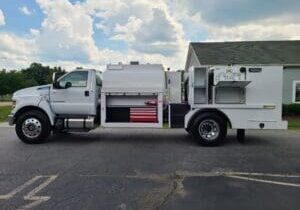
Why Crews Keep Coming Back to the Same Lube Truck Builder
Why do crews keep calling the same distributor for their next lube truck? It comes down to asking the right questions before the build begins.
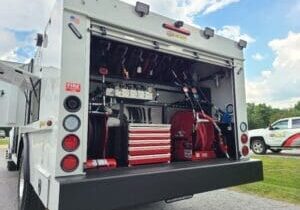
Building a Lube Truck Around the Job It Has to Do
A lube truck built around your job fits from day one. See how fluid mix, daily volume, job site, and chassis shape the right custom build.
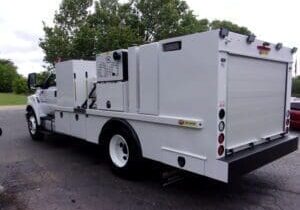
Customizing Mobile Oil Change Service Trucks for Multi-Site Fleet Work
Keeping multiple job sites serviced takes coordination and the right equipment. When crews are spread out, the way your service truck is set up makes all the difference in how smoothly the day runs. A well-built mobile oil change service truck keeps maintenance consistent and crews productive. It’s not about bells and whistles, but about…
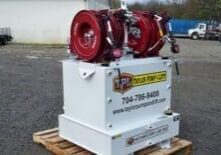
7 Things Fleet Coordinators Should Look For When Shopping for Lube Skids
When your job is to keep crews moving and equipment serviced, a lube skid can be a part of what keeps the whole operation steady. Every hose, pump, and tank plays a role in how smoothly the day runs. Whether it’s your first skid or your fifth, the same principles apply: match the build to…
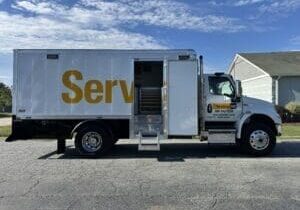
Training New Crews on Your Lube Service Setup & Lube Service Body Before You Roll Out
Bringing new hands onto the crew can shift the pace. There’s a little more explaining, a few extra checks— that’s normal. The key is helping operators get comfortable with your lube setup quickly so the work keeps moving safely and efficiently. At Taylor Pump & Lift, we’ve seen how structured training keeps crews in sync…

Rebuilding a Pump (in Under 30 Seconds)
Our trucks and skids often get the majority of our limelight, but our in-house repair team is a key part of our TPL powerhouse. Working with a variety of oil pumps, meters, and reels, this team often has the tedious (but rewarding) job of diagnosing, repairing, and reassembling equipment for almost every customer in our…
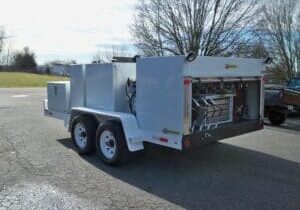
What Makes a Fuel and Lube Trailer Truly Fleet-Ready? Specs That Matter
Fleet maintenance teams count on equipment that performs the same way every day. A fuel and lube trailer or lube service trailer is part of the rhythm that keeps service schedules tight, machines supplied, and crews focused on production instead of waiting on service. A trailer built for fleet work is designed with reliability at…
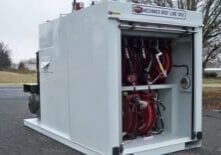
How to Customize a Lube Skid for Service Trucks Across Multiple Sites
If you manage a fleet that’s constantly bouncing between job sites, you know the drill: trucks waiting on fluids, machines parked mid-shift, crews wasting hours on runs back to the shop. Every delay eats into production and drives costs through the roof – and the waste adds up fast for a single truck burning about…

How Decision Makers in Construction Save Money with In-House Mobile Lube Equipment
Similar to most industries, in construction, time is money – which means keeping your vital heavy equipment running smoothly, without unnecessary downtime, is essential to staying on schedule and on budget. This factor is especially important as construction companies across the U.S. work to stay ahead and complete projects before the winter season rolls in…