
7 Things Fleet Coordinators Should Look For When Shopping for Lube Skids
When your job is to keep crews moving and equipment serviced, a lube skid can be a part of what keeps the whole operation steady. Every hose, pump, and tank plays a role in how smoothly the day runs.
Whether it’s your first skid or your fifth, the same principles apply: match the build to your site’s fluid requirements, service volume, and truck footprint
At Taylor Pump & Lift, we’ve spent more than three decades helping maintenance teams design and support custom lubrication systems across construction, mining, and fleet operations. Drawing from that field experience, here are seven checks experienced fleet coordinators make before approving a new lube skid, whether they’re comparing models or reviewing lube skids for sale.
1. Start With the Fleet’s Real Needs
Before comparing models or price tags, take a close look at how your operation runs day to day. The right lube skid should support your workload and keep pace with your crew.
Fluids and Volume
List every fluid your crew handles: engine oil, hydraulic oil, gear lube, grease, coolant, and DEF. Then note how much is typically dispensed during a full service. Heavy equipment fleets can move several hundred gallons per week; that determines tank count and capacity.
Maintenance Scope
Decide what the skid needs to handle. Full PM crews need more onboard fluid and waste oil capacity to cover multiple jobs before refilling. Most fresh tanks run 50 to 60 gallons, with larger builds reaching 100 to 120 gallons when the workload calls for it. Waste tanks typically fall between 60 and 120 gallons.
Top-off trucks can stay smaller, but for full-service routes, extra capacity keeps crews moving without breaks to reload.
Portability
If the skid will be used on multiple trucks or sites, include forklift pockets, lifting eyes, or modular footprints. Mobility turns a single investment into a multi-truck solution. Track one week of real fluid use before spec’ing capacity. That data gives you the most accurate starting point for your design.
Once you know what the job requires, the next step is confirming your service trucks can carry it safely and efficiently.
2. Check Truck Compatibility and Legal Limits
A good skid starts with a good fit. Getting weight and layout right prevents downtime and compliance problems later.
Measure Everything
Check bed dimensions, crane clearance, and toolbox access before ordering. Make sure you can reach drawers, reels, and controls after the skid is installed. (Our experienced team can help you determine this if you aren’t exactly sure.)
Know Your Weights
Add up skid weight, fluid weight (about 8.3 lb per gallon), technician, and tools. The total must stay under your truck’s gross vehicle weight rating (GVWR). Overloading shortens brake life and risks DOT citations.
CDL Considerations
Crossing the 26,001-lb GVWR threshold means CDL drivers and higher insurance requirements. Many coordinators spec Class 6 trucks (19,500–26,000 lb GVWR) with lighter skids to stay below that limit.
Balance and Center of Gravity
Position heavy tanks near the cab to improve handling and braking. Even weight distribution also extends suspension life.
After confirming fit and load balance, focus on what drives day-to-day reliability: the pump and power system.
3. Match Pump and Power Systems to the Job
Pump performance defines how smoothly a service goes. Choose a setup that fits your workload and environment.
Common Configurations
- Air-powered pumps: Rugged and proven; ideal if the truck already has a compressor.
- 12V/110V electric: Quieter, low maintenance, and well-suited for mid-duty fleets.
- Self-contained compressor systems: Great for operations without onboard air.
Flow Rate and Pressure
Match gallons per minute (GPM) and PSI ratings to fluid viscosity. Your lube skid setup should keep those flow rates consistent from the pump to the reel, without pressure loss. Hydraulic oil requires higher pressure than engine oil or DEF. The right match saves time on every fill.
Serviceability
Confirm whether pumps can be rebuilt in the field and if replacement parts are standard or proprietary. Field-repairable systems reduce downtime dramatically.
A reliable, easy-to-maintain pump is always the better investment.
Once the pump system is set, turn attention to what connects it all — hoses, reels, and how easily techs can work around them.
4. Inspect Hoses, Reels, and Accessibility
Hoses and reels are the moving parts that get used the most. Keeping them durable and accessible makes every job faster.
Length and Recoil
Fifty-foot reels fit most service setups. Larger equipment yards may need longer lines. Spring-retractable or powered reels save time and reduce tangles.
Routing and Protection
Hoses should be secured, shielded, and free from chafe points. If a hose rubs against metal edges or sharp corners, leaks won’t be far behind.
Labeling
Color-code and label each line. Crews recognize fluids instantly and avoid cross-fills that waste product.
Access for Maintenance
Valves, filters, and drains must be serviceable without removing panels or reel assemblies. Techs should be able to make quick adjustments in the field. Solid plumbing means little if the frame and tanks can’t withstand the terrain. The next check is construction quality.
5. Evaluate Construction Quality and Durability
A lube skid faces vibration, dust, and weather daily. Build quality determines how long it will last. Every custom lube skid should start with a strong frame and reinforced tanks that match the terrain and conditions your trucks face.
Frame and Build
Look for heavy-gauge steel with full-length welds and reinforced corners. Coatings should resist rust and corrosion from oils or chemicals. Powder coating or polyurethane finishes provide long-term protection.
Tank Selection
- Steel tanks: Handle heat and impact well; ideal for waste oil and heavy-duty service.
- Poly tanks: Lighter and corrosion-resistant; best for DEF and coolant.
Protection and Coatings
Epoxy-lined or galvanized interiors protect against acid and water. If you work in salty or coastal areas, specify zinc-rich primer and sealed seams.
Weather Adaptation
Cold regions require insulated enclosures or in-cab heating to maintain fluid flow. In hotter areas, use filtered breathers and vented lids to control pressure and dust.
Every Taylor Pump & Lift skid is tested for leaks and vibration before delivery because performance in the field is what counts.
Once you’re confident in the build, the next step is focusing on how your crew interacts with it.
6. Design for Safety and Operator Efficiency
Safety and usability go hand in hand. When controls are intuitive, crews stay safe and productive.
Ergonomic Layout
Controls, reels, and gauges should be positioned between knee and shoulder height. The goal is to reduce unnecessary bending and stretching during service.
Safety Components
Add guards for moving parts and pinch points. Reel locks, anti-drip fittings, and hose stops keep work controlled. OSHA 29 CFR 1910 guidelines apply here, even for mobile setups.
Workplace Cleanliness
Used-filter bins, drip trays, and metered nozzles prevent spills and clutter. Clean setups keep crews efficient and demonstrate professionalism on customer sites.
With functionality and safety covered, it’s time to evaluate the long-term value — cost, warranty, and ROI.
7. Measure Cost, Warranty, and Return on Investment
The real measure of value is how a skid performs over time, not what it costs upfront. Factor in installation, maintenance, and downtime. A low initial price can cost more in the long run if reliability suffers.
Warranty Scope
Read coverage details carefully. Quality manufacturers include pumps, meters, and electrical systems, and not just tanks. Ask about claim procedures and response times.
Parts and Support
Confirm that spare parts are stocked domestically and available quickly. Reliable vendor support keeps service trucks running when issues arise.
ROI Tracking
A properly spec’d skid can add several productive hours per week. Many fleets recover full purchase cost within the first year through reduced downtime and faster maintenance cycles.
Taylor Pump & Lift has more than 30 years of field experience, tracking feedback and service data from customers to continuously improve performance and turn ROI from a promise into a pattern.
Even the best skid can fall short if it isn’t compliant or clean. That’s why attention to fluid integrity and environmental standards is essential.
Bonus: Keep Fluids Clean and Stay Compliant
Contamination and compliance issues create costly downtime. Proper design and discipline prevent both.
DEF Integrity
Use ISO 22241-compliant fittings, sealed tanks, and dedicated lines. DEF contamination damages emission systems and voids warranties.
Fluid Cleanliness
Follow ISO 4406 cleanliness codes. Inline filtration and filtered breathers prevent airborne debris and condensation from entering tanks.
Spill Prevention
EPA SPCC rules require containment during transfer. Integrated waste oil tanks and quick-drain valves make compliance simpler.
A clean, compliant skid protects your assets, your team, and your reputation. With your specs defined, the final step is selecting a vendor who can build to your standards.
How to Compare Vendors Without the Sales Pitch
A strong supplier partnership starts with understanding your workflow. Ask these questions when comparing builders:
- Who fabricates the skid — in-house or through a subcontractor?
- Can layouts be customized for your tank mix, reel placement, or tool storage?
- How long is the lead time, and what’s the warranty turnaround?
- Do they have repeat customers in your line of work?
At Taylor Pump & Lift, each design begins with a conversation about routes, fluids, and service frequency. This ensures every system works the way crews actually use it.
Once the research and questions are complete, making the final decision becomes much simpler.
Build It Right. Buy It Once. Keep It Working.
A lube skid is more than a collection of tanks and pumps. It is a daily-use tool that shapes service quality, crew safety, and fleet uptime.
When you evaluate your purchase through these seven checks: fleet needs, truck fit, pump setup, hose layout, construction, safety, and ROI, you will end up with equipment that serves your team for years instead of months.
If your operation is ready for a lube skid that fits your trucks, your fluids, and your workflow, let’s spec one built around your operation. At Taylor Pump & Lift, every build is tested, refined, and proven where it matters most: in the field.
Every fleet runs a little differently, and the best setups reflect that. If you want to talk through options or compare what’s worked for other crews, our team’s here to help.

RELATED ARTICLES
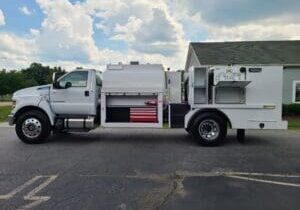
Why Crews Keep Coming Back to the Same Lube Truck Builder
Why do crews keep calling the same distributor for their next lube truck? It comes down to asking the right questions before the build begins.
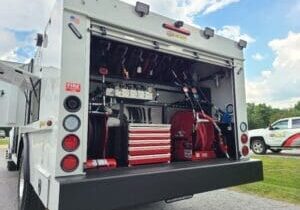
Building a Lube Truck Around the Job It Has to Do
A lube truck built around your job fits from day one. See how fluid mix, daily volume, job site, and chassis shape the right custom build.
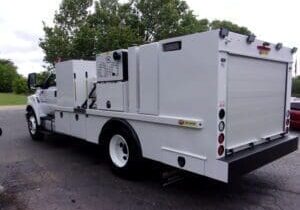
Customizing Mobile Oil Change Service Trucks for Multi-Site Fleet Work
Keeping multiple job sites serviced takes coordination and the right equipment. When crews are spread out, the way your service truck is set up makes all the difference in how smoothly the day runs. A well-built mobile oil change service truck keeps maintenance consistent and crews productive. It’s not about bells and whistles, but about…
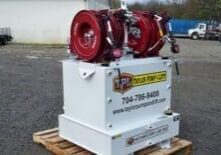
7 Things Fleet Coordinators Should Look For When Shopping for Lube Skids
When your job is to keep crews moving and equipment serviced, a lube skid can be a part of what keeps the whole operation steady. Every hose, pump, and tank plays a role in how smoothly the day runs. Whether it’s your first skid or your fifth, the same principles apply: match the build to…
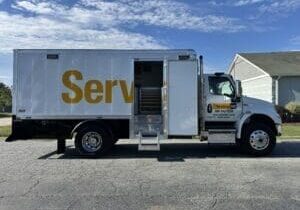
Training New Crews on Your Lube Service Setup & Lube Service Body Before You Roll Out
Bringing new hands onto the crew can shift the pace. There’s a little more explaining, a few extra checks— that’s normal. The key is helping operators get comfortable with your lube setup quickly so the work keeps moving safely and efficiently. At Taylor Pump & Lift, we’ve seen how structured training keeps crews in sync…

Rebuilding a Pump (in Under 30 Seconds)
Our trucks and skids often get the majority of our limelight, but our in-house repair team is a key part of our TPL powerhouse. Working with a variety of oil pumps, meters, and reels, this team often has the tedious (but rewarding) job of diagnosing, repairing, and reassembling equipment for almost every customer in our…
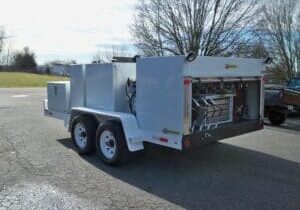
What Makes a Fuel and Lube Trailer Truly Fleet-Ready? Specs That Matter
Fleet maintenance teams count on equipment that performs the same way every day. A fuel and lube trailer or lube service trailer is part of the rhythm that keeps service schedules tight, machines supplied, and crews focused on production instead of waiting on service. A trailer built for fleet work is designed with reliability at…
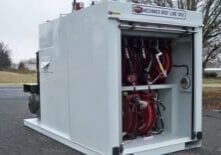
How to Customize a Lube Skid for Service Trucks Across Multiple Sites
If you manage a fleet that’s constantly bouncing between job sites, you know the drill: trucks waiting on fluids, machines parked mid-shift, crews wasting hours on runs back to the shop. Every delay eats into production and drives costs through the roof – and the waste adds up fast for a single truck burning about…

How Decision Makers in Construction Save Money with In-House Mobile Lube Equipment
Similar to most industries, in construction, time is money – which means keeping your vital heavy equipment running smoothly, without unnecessary downtime, is essential to staying on schedule and on budget. This factor is especially important as construction companies across the U.S. work to stay ahead and complete projects before the winter season rolls in…
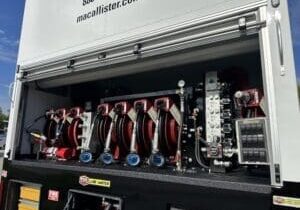
How Lube Trucks Can Help Mining Site Operations Managers Hit Production Targets
It’s well-known that in every industry, the efficiency and durability of equipment are paramount. When your equipment fails, there is an inevitable reduction in productivity because of downtime. Thus, having a strategic preventative primary maintenance schedule is vital to keeping everything running smoothly. Yet, this critical maintenance can create its own problems. Taking the time…