
7 Signs Your Air and Lube Systems Can’t Keep Up with Fleet Growth
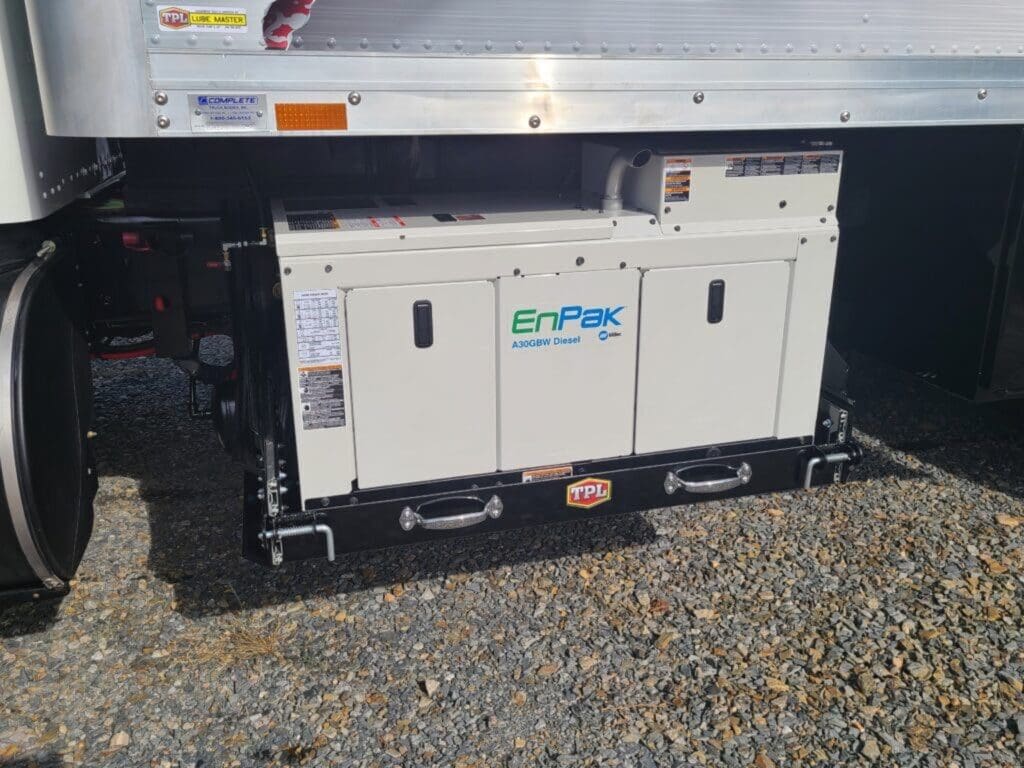
Your fleet’s grown significantly, and that’s a win. Now it’s time to match your air and lube systems (your compressed-air powered pumps, reels, and bulk tanks that move oil and grease through your shop or mobile unit) to your expanded operations.
Here’s how you know you’re ready to scale capacity:
- Service times are running 30-50% longer than they used to.
- System pressure varies during peak demand.
- Using up fluids before the shift ends.
- Routes now cover more sites than one unit was designed for.
- System alarms are appearing more frequently.
- Multiple sites requesting service at the same time.
- The system is always in use (so scheduling its own maintenance becomes difficult).
Your Taylor Pump and Lift air and lube system was built for real fleet work. But a setup that once supported a smaller operation may now be stretched across far more equipment and sites than it was originally designed for. When your workload outgrows your system’s capacity, it’s time to think about an upgrade.
Spotting growth indicators early allows you to scale capacity on your timeline instead of during a busy season.
Sign #1: Your Mobile Lube Service Windows Keep Expanding
When you first got your Taylor Pump and Lift’s lube trailer, your crew finished the whole fleet in amorning shift. Now? It’s pushing 6+ hours, and afternoon routes start later because morning service takes more time.
Your air and lube systems are handling more demand. That same trailer that served 20 trucks is now servicing 35+. The pump runs more cycles. The compressor operates longer. Flow rates begin to waver.
What you’re hearing from your crew:
- “We’re busier than we used to be.”
- “Equipment’s staged longer waiting for service.”
- “At this point, are we outgrowing this trailer?
Your procedures work well. Your crew stays efficient. The volume changed. When fleet growth doubles your service demand, it’s time to look at adding capacity.
Sign #2: Air and Lube System Pressure Varies During Multi-Equipment Service
You’re watching the gauges during a busy window. Pressure that used to hold steady now bounces around, sitting at 60 PSI, then dropping into the mid-40s when multiple pumps run at once. Your air compressor tells the same story. It used to cycle on and off. Now it runs almost constantly because it’s keeping up with more equipment pulling air at the same time.
Signs your system is ready for more capacity:
- Pressure varies when servicing several trucks in sequence.
- The compressor runs more continuously during busy periods.
- Pumps take a bit longer to move the same fluid volume.
- Crew mentions “service pace has changed as we’ve grown.”
Fluid management systems were designed for periodic use with a recovery time. Now it’s supporting continuous operations. Performance improves when you add capacity, and that usually means adding to your maintenance fleet.
Sign #3: Your Lube System Tanks Don’t Last a Full Shift Anymore
Your crew makes mid-shift trips back to the yard for refills. Tanks that used to last all day now need topping off by noon. That’s productive service time spent on logistics instead.
If your mobile lube setup was originally spec’d to support around 20 service stops per shift – but your fleet growth means it’s now handling 30 or more – the math has changed, but the tank capacity stayed the same. The number of machines you’re trying to service did not.
How this shows up in your operations:
- More frequent refill trips than your original schedule planned for
- Routes pausing midway through for tank refills
- Additional miles logged for yard trips
When you need more fluid per shift than your tanks were designed to carry, it’s a clear indicator you’re ready to scale.
Sign #4: Geographic Fleet Growth Creates Multi-Site Coverage Opportunities
Your fleet growth added new service areas. Your lube trailer used to cover two sites within 20 miles – now it serves five sites across 100+ miles.
What your operations show:
- Transit time has increased significantly as your territory expanded.
- Some sites have longer service intervals than your preferred schedule.
- Crews are prioritizing by routing efficiency across more locations.
When you expanded those service territories or added new locations, it opened up opportunities for distributed coverage. Growing fleets often position smaller units at major sites instead of one system covering an expanded geography.
Sign #5: System Monitoring Shows Higher Operating Frequency
Your air and lube systems send more alerts now. Pressure notifications. Temperature readings. Flow data. The monitoring system is tracking how hard everything’s working.
Performance data showing increased use:
- Temperature readings are higher from more continuous pump operation.
- Pressure alerts from the compressor running longer duty cycles.
- Lubricant consumption is running significantly above your baseline data.
- Filter service intervals shorten as run time increases.
The monitoring data helps you plan capacity additions, acting as vital alerts and your planning tools for the next phase.
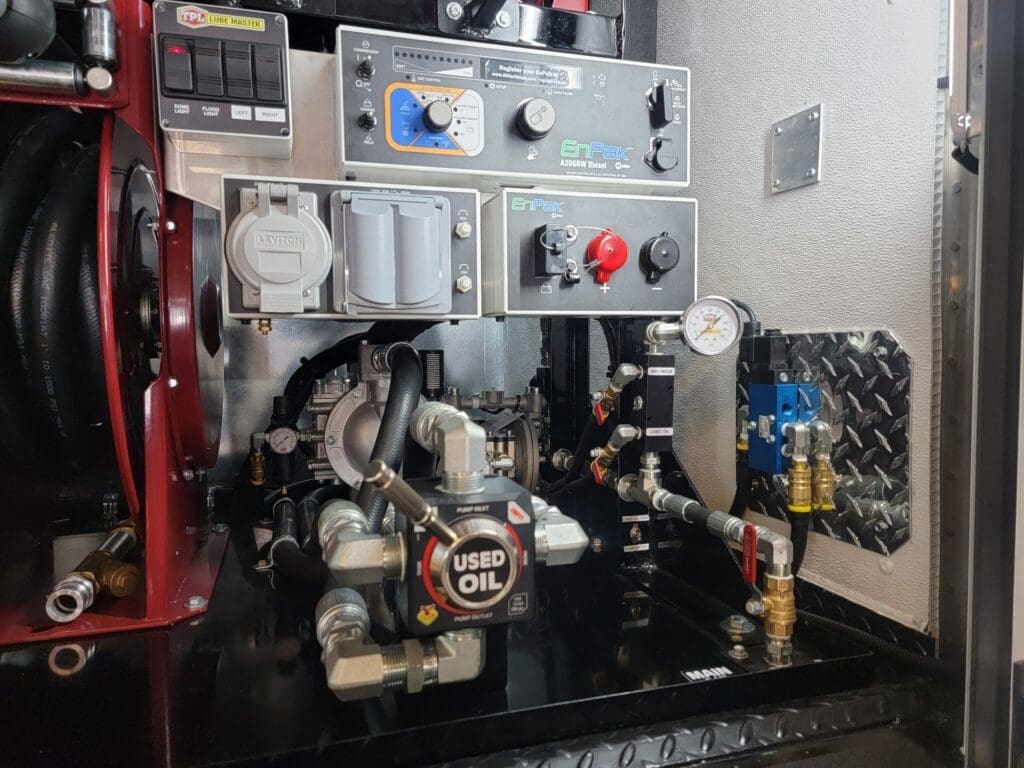
Sign #6: Multiple Sites Request Service During the Same Windows
Site A schedules service for Tuesday morning, Site B has equipment due the same day, and your utility crew needs equipment ready before deployment – and you’re coordinating one mobile lube trailer across all of it.
One system serves one location at a time. When fleet growth creates overlapping service needs across multiple sites, you’re optimizing schedules instead of just executing them.
What your scheduling shows:
- More coordination is needed to cover all service requests
- PM schedules adjusted to work around coverage
- Growing opportunities for distributed capacity
When your schedule shows more requests than one system was designed to cover comfortably, you’re ready to look at scaling.
Sign #7: Limited Windows Available for System Maintenance
Your Taylor Pump and Lift’s lube trailer needs its own maintenance – filters, pump inspections, hose replacements. But finding the right window takes more planning now. It’s actively supporting operations; always scheduled somewhere.
What happens as utilization increases:
- Maintenance windows require more advanced planning.
- The system runs closer to its recommended service intervals.
- You’re thinking ahead about timing to avoid busy periods.
When planning maintenance windows becomes part of your capacity conversation, you’re ready to look at redundancy. Fleets with 50+ trucks often run two systems so maintenance happens smoothly while operations continue.
3 Smart Capacity Solutions When You’re Ready to Scale
The right setup depends on your fleet size, locations, and how your crews work day to day.
1. Add a second mobile unit
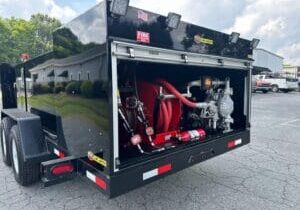
Use a fuel and lube trailer alongside your current truck, or add lube skids at other key sites. This spreads the workload, gives you more scheduling flexibility, and keeps one unit from being overbooked. This approach fits fleets that have outgrown a single service unit and are now supporting multiple sites.
2. Upgrade to higher-capacity lube trucks
Move up to higher capacity builds like Taylor and Lift’s LubeMaster 6517 or 7717 tandem lube trucks. These trucks offer larger tank capacities and heavy-duty pump setups built for full-shift field service. They extend how many pieces of equipment you can touch on a single route and reduce mid-day refills. This works well for more centralized operations with a larger fleet staged out of one main yard.
3. Deploy distributed capacity
Place custom lube skids at high-use locations so crews can service equipment on site instead of pulling everything back to a central shop. That cuts transit time and increases local availability, especially when you are running in several regions or job clusters at once.
Scale Your Fleet Capacity at the Right Time
Your air and lube systems are working exactly as designed. Your fleet just grew beyond the original plan. You’re recognizing the signs early – that’s smart fleet growth planning.
Taylor Pump & Lift has been supporting growing fleets for over 30 years. We’ll help assess your current capacity, look at your growth plans, and recommend what fits – whether that’s adding a second unit, upgrading your system, or distributing capacity across your sites.
Ready to scale your capacity? Call our team at (704) 786-9400 or submit a quote request online to talk to a member of our team. Your fleet grew; let’s make sure your equipment grows with it!

RELATED ARTICLES
5 Simple Fluid Management Changes That Make Your Fleet Shop Faster
You know how it goes. Your tech walks to the bulk tank, waits for the pump, and heads back to the bay. Then, the hydraulic oil. Then the coolant. Fifteen minutes gone, just moving fluids around, and that’s one service. Every shop has a few minutes “left on the table” – small amounts of time…
7 Signs Your Air and Lube Systems Can’t Keep Up with Fleet Growth
Your fleet’s grown significantly, and that’s a win. Now it’s time to match your air and lube systems (your compressed-air powered pumps, reels, and bulk tanks that move oil and grease through your shop or mobile unit) to your expanded operations. Here’s how you know you’re ready to scale capacity: Your Taylor Pump and Lift…
Quick Checklist for Oil Transfer Pumps on Lube Trailers
Your Taylor Pump & Lift lube trailer is out there every day, fueling excavators, servicing loaders, and keeping equipment running. At the center of that system is your oil transfer pump (also called the stub pump or dispense pump), moving oil from the storage tank through the hose reel and meter to deliver a clean,…

Customizing Mobile Oil Change Service Trucks for Multi-Site Fleet Work
Keeping multiple job sites serviced takes coordination and the right equipment. When crews are spread out, the way your service truck is set up makes all the difference in how smoothly the day runs. A well-built mobile oil change service truck keeps maintenance consistent and crews productive. It’s not about bells and whistles, but about…

7 Things Fleet Coordinators Should Look For When Shopping for Lube Skids
When your job is to keep crews moving and equipment serviced, a lube skid can be a part of what keeps the whole operation steady. Every hose, pump, and tank plays a role in how smoothly the day runs. Whether it’s your first skid or your fifth, the same principles apply: match the build to…

Training New Crews on Your Lube Service Setup & Lube Service Body Before You Roll Out
Bringing new hands onto the crew can shift the pace. There’s a little more explaining, a few extra checks— that’s normal. The key is helping operators get comfortable with your lube setup quickly so the work keeps moving safely and efficiently. At Taylor Pump & Lift, we’ve seen how structured training keeps crews in sync…

Rebuilding a Pump (in Under 30 Seconds)
Our trucks and skids often get the majority of our limelight, but our in-house repair team is a key part of our TPL powerhouse. Working with a variety of oil pumps, meters, and reels, this team often has the tedious (but rewarding) job of diagnosing, repairing, and reassembling equipment for almost every customer in our…

What Makes a Fuel and Lube Trailer Truly Fleet-Ready? Specs That Matter
Fleet maintenance teams count on equipment that performs the same way every day. A fuel and lube trailer or lube service trailer is part of the rhythm that keeps service schedules tight, machines supplied, and crews focused on production instead of waiting on service. A trailer built for fleet work is designed with reliability at…

How to Customize a Lube Skid for Service Trucks Across Multiple Sites
If you manage a fleet that’s constantly bouncing between job sites, you know the drill: trucks waiting on fluids, machines parked mid-shift, crews wasting hours on runs back to the shop. Every delay eats into production and drives costs through the roof – and the waste adds up fast for a single truck burning about…

How Decision Makers in Construction Save Money with In-House Mobile Lube Equipment
Similar to most industries, in construction, time is money – which means keeping your vital heavy equipment running smoothly, without unnecessary downtime, is essential to staying on schedule and on budget. This factor is especially important as construction companies across the U.S. work to stay ahead and complete projects before the winter season rolls in…