How Decision Makers in Construction Save Money with In-House Mobile Lube Equipment
Similar to most industries, in construction, time is money – which means keeping your vital heavy equipment running smoothly, without unnecessary downtime, is essential to staying on schedule and on budget. This factor is especially important as construction companies across the U.S. work to stay ahead and complete projects before the winter season rolls in and material prices go up (again). While it may seem standard to contract a third-party lube maintenance service for your heavy equipment, there is often an opportunity to cut costs by implementing an internal primary maintenance fleet. This makes heavy equipment servicing faster and more reliable – translating into dollars down the line.
Below, we break down how in-house mobile maintenance vehicles help you save time, money, and headache in your construction business.
Hidden Costs of Third-Party Maintenance
Hiring outside vendors for lubrication maintenance can seem convenient; you don’t have to maintain the trucks, add lube product purchasing to your team’s to-do list, or manage lube team staff. However, you may be trading cost control for that convenience, which is difficult to offset or recoup once it occurs. Third-party actions that impact this include:
- Delayed response time during peak seasons
- Inflated hourly rates to cover third-party margins
- Additional travel fees
- Lack of or subpar emergency dispatch services
Each of these eat into the overall productivity of your crew, with machines sitting idle or damaged when they should be operating fully.
An additional factor for consideration is that third-party mobile lube vendors are often juggling multiple job sites simultaneously. This can potentially impede their ability to deliver timely service to your equipment, should other sites require additional time or servicing. And while we all try to accommodate unexpected servicing delays, being unable to predict (or control) your equipment maintenance scheduling can lead to much larger issues over time.
- Increased wear and tear
- Higher likelihood of unexpected equipment failure
- Equipment repair (or full replacement) costs
So how exactly does an in-house mobile lube vehicle or fleet circumvent these issues?
Why In-House Mobile Lube Service Pays Off
Bringing your equipment lube servicing in-house can seem like an extra investment at first. But like all investments, they are strategically calculated in order to garner higher returns down the road. By implementing a mobile lube truck (or trucks, for larger sites) or a fleet of lube skids or lube trailers, you now control the cost and consistency of when, where, and how your equipment is maintained and serviced. Benefits include:
- No waiting for outside mobile lube vendors to return calls/play phone tag regarding schedules
- Servicing more equipment in less time because your lube truck is already on-site and filled with the exact products you need for your equipment
- Control over hiring lube truck and maintenance fleet operators, ensuring personnel fit and function with your own company needs + payroll control
Having an internal mobile lube team creates a ripple effect across your operation that goes beyond just labor savings or projects staying on track; it has long-term benefits to your (expensive) heavy equipment as well.
Better Maintenance = Longer Equipment Life
The best way to keep anything running is to take care of it, whether it’s a $1000 dishwasher or a $50K excavator. Regular maintenance is key to keeping your equipment consistently and effectively operating. As we mentioned earlier, relying completely on the schedule and discernment of outside vendors can work for some – but for those in remote areas, or who have had bad luck finding reliable mobile lube vendors in the past, bringing primary maintenance in-house is not only a solution to maintain equipment but also avoid unnecessary headaches along the way.
Outside mobile lube service vendors may or may not offer the consistency that your specific equipment or job site needs. Service intervals can get stretched or work is rushed, and equipment is missed or damaged. These minor oversights build up to create more significant issues over time, including accelerated equipment wear, hydraulic failures, increased fuel consumption, increased repair costs, and even unexpected breakdowns that can keep a piece of vital equipment out for hours or days (that you cannot afford to lose!) Incorporating your own lube truck, skid, or trailer into the mix bridges these service gaps, standardizing procedures that fit your business needs and schedules, so every machine gets the short (and long) term maintenance required to keep it running for years to come.
Built To Work Like You Do
At Taylor Pump and Lift, we don’t offer one-size-fit-all solutions. Our mobile lube solutions are designed and built specifically for real-world work demands, whether you need an extra large lube truck for fleet-wide service, a compact lube skid to drop into your current setup as an add-on maintenance function, or a lube trailer that can be towed behind any existing company vehicle.
We work with you to determine the right system and setup based on your fleet equipment, jobsite layout, servicing frequency needs, and fleet size. Every detail is built to support your workflow, not disrupt it. We deliver on durability, performance, and quality in every product that leaves our doors.
If you’re ready to take control of your equipment servicing and start optimizing for your bottom line, we’re here to help. Don’t wait for a breakdown to re-think your approach to primary equipment maintenance. Get ahead of the curve, and let us help you find the perfect mobile lube solution that’s built to work as hard as you do.
Request a quote for your perfect mobile lube solution today!

RELATED ARTICLES
Why Crews Keep Coming Back to the Same Lube Truck Builder
Why do crews keep calling the same distributor for their next lube truck? It comes down to asking the right questions before the build begins.
Building a Lube Truck Around the Job It Has to Do
A lube truck built around your job fits from day one. See how fluid mix, daily volume, job site, and chassis shape the right custom build.
Customizing Mobile Oil Change Service Trucks for Multi-Site Fleet Work
Keeping multiple job sites serviced takes coordination and the right equipment. When crews are spread out, the way your service truck is set up makes all the difference in how smoothly the day runs. A well-built mobile oil change service truck keeps maintenance consistent and crews productive. It’s not about bells and whistles, but about…
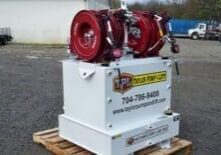
7 Things Fleet Coordinators Should Look For When Shopping for Lube Skids
When your job is to keep crews moving and equipment serviced, a lube skid can be a part of what keeps the whole operation steady. Every hose, pump, and tank plays a role in how smoothly the day runs. Whether it’s your first skid or your fifth, the same principles apply: match the build to…
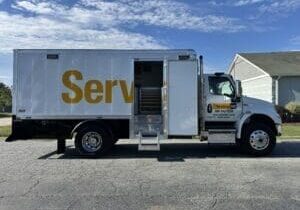
Training New Crews on Your Lube Service Setup & Lube Service Body Before You Roll Out
Bringing new hands onto the crew can shift the pace. There’s a little more explaining, a few extra checks— that’s normal. The key is helping operators get comfortable with your lube setup quickly so the work keeps moving safely and efficiently. At Taylor Pump & Lift, we’ve seen how structured training keeps crews in sync…

Rebuilding a Pump (in Under 30 Seconds)
Our trucks and skids often get the majority of our limelight, but our in-house repair team is a key part of our TPL powerhouse. Working with a variety of oil pumps, meters, and reels, this team often has the tedious (but rewarding) job of diagnosing, repairing, and reassembling equipment for almost every customer in our…
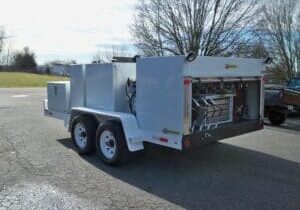
What Makes a Fuel and Lube Trailer Truly Fleet-Ready? Specs That Matter
Fleet maintenance teams count on equipment that performs the same way every day. A fuel and lube trailer or lube service trailer is part of the rhythm that keeps service schedules tight, machines supplied, and crews focused on production instead of waiting on service. A trailer built for fleet work is designed with reliability at…
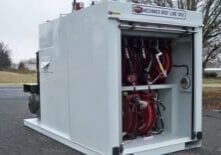
How to Customize a Lube Skid for Service Trucks Across Multiple Sites
If you manage a fleet that’s constantly bouncing between job sites, you know the drill: trucks waiting on fluids, machines parked mid-shift, crews wasting hours on runs back to the shop. Every delay eats into production and drives costs through the roof – and the waste adds up fast for a single truck burning about…

How Decision Makers in Construction Save Money with In-House Mobile Lube Equipment
Similar to most industries, in construction, time is money – which means keeping your vital heavy equipment running smoothly, without unnecessary downtime, is essential to staying on schedule and on budget. This factor is especially important as construction companies across the U.S. work to stay ahead and complete projects before the winter season rolls in…
How Lube Trucks Can Help Mining Site Operations Managers Hit Production Targets
It’s well-known that in every industry, the efficiency and durability of equipment are paramount. When your equipment fails, there is an inevitable reduction in productivity because of downtime. Thus, having a strategic preventative primary maintenance schedule is vital to keeping everything running smoothly. Yet, this critical maintenance can create its own problems. Taking the time…