Building a Lube Truck Around the Job It Has to Do
There’s a difference between choosing options for a lube truck and actually building one around the job. A truly custom truck starts with the operation it will serve — not simply with a standard configuration and a list of available upgrades.
That distinction matters in the field. A lube truck can have plenty of overall capacity and still be poorly matched to the crew or job site. Too much capacity for a fluid that sees limited use adds unnecessary weight and takes up valuable space, while too little of a high-use fluid can leave a crew running short before the workday is over. Getting the balance right means understanding what the truck will actually be asked to do before determining what goes on it.
What Fitting a Lube Truck to the Job Actually Requires
The fluids a crew runs and how much of each they use, the conditions of the job site, the climate, and the chassis already selected all influence the finished build. Those are things an owner or fleet manager already knows about their operation long before anyone opens a spec sheet — and they’re details that should drive specs from the beginning.
Determining a Lube Truck’s Tank Size, Pump Configuration, and Reel Layout
Engine oil, hydraulic fluid, gear lube, grease, coolant, and DEF each need their own dedicated tank, pump, and reel despite being part of a system. How much of each fluid a crew goes through during a shift helps determine how much capacity each system needs. The equipment being serviced and how the crew works in the field can further shape pump configuration, reel quantity and placement, and other details of the build. The result is that two crews can start with the exact same base truck and end up with genuinely different configurations — not because one has more options than the other, but because each truck has a different job to do.
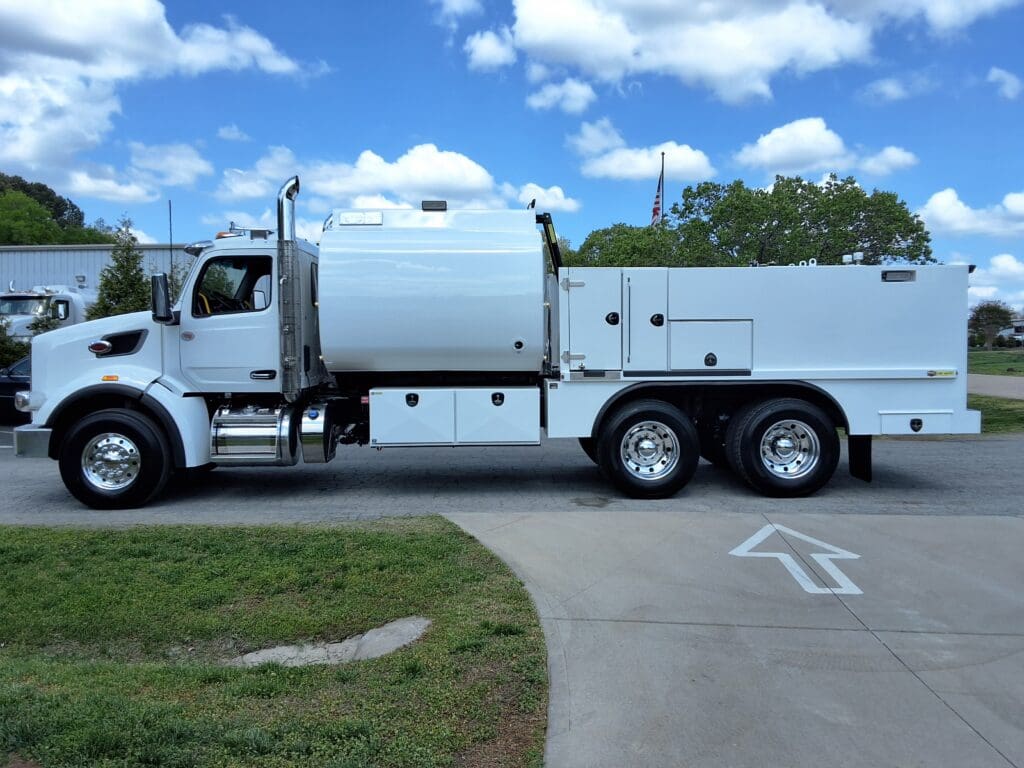
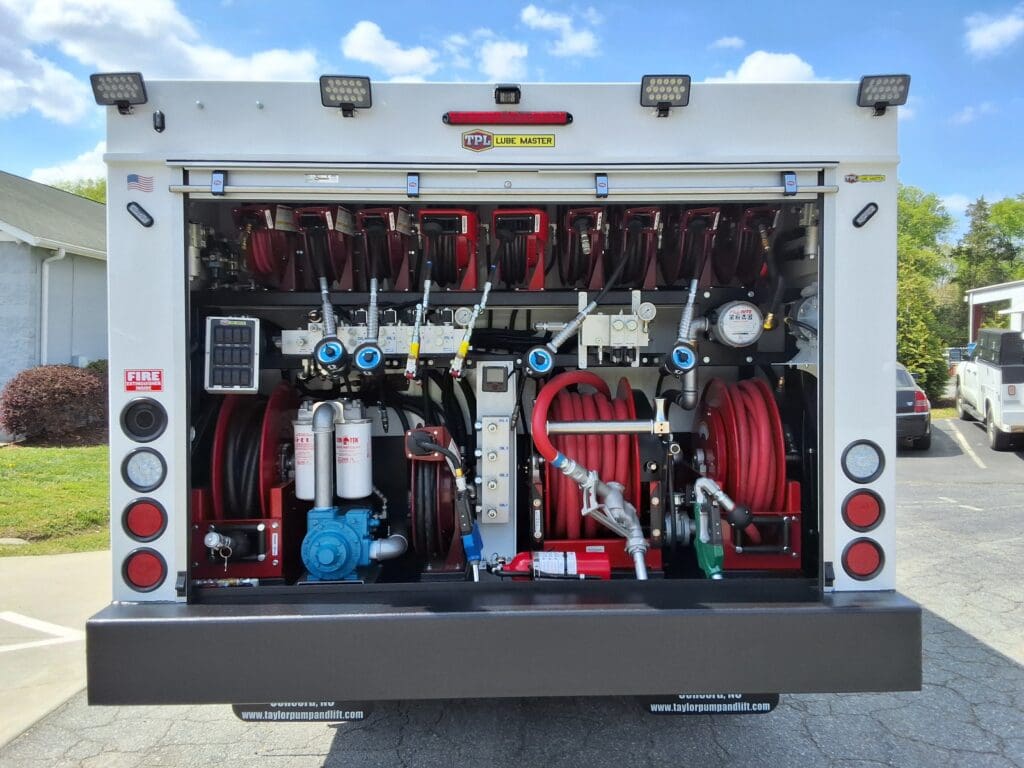
The below two LubeMaster 5517s built by Taylor Pump & Lift are perfect examples. Both customers are construction and site-development companies. Both started with the largest base model in the LubeMaster lineup. But their different day-to-day requirements resulted in two very different configurations.
Gaines & Company Site Development
Gaines & Company Site Development is headquartered in Maryland with a location in North Carolina and handles pre-construction and full site development, utility work, grading, storm-water management, roadwork, and federal government contracts. Their range of work allows them to run several contracts at once, and their LubeMaster 5517 was configured to support the fluid and fueling demands that come with that operation.
A hydraulic-driven pump system across four dedicated tanks provides 300 total-gallons of oil capacity. A 2,500-gallon diesel tank ensures there’s plenty of fuel for a large fleet of equipment. A fast-fill manifold makes refilling easier and safer than traditional filling methods (like getting up on top of the truck).
Paragon Site Solutions
Paragon Site Solutions is based in Charlotte, North Carolina, and handles heavy construction for residential subdivisions and commercial properties, along with utility installs and grading. Charlotte has seen more than a decade of steady population and commercial growth, and Paragon’s LubeMaster 5517 is sized to match that regional pace rather than a multi-state operation. An air-driven pump system serves two 100-gallon oil tanks, the diesel tank holds 2,000 gallons, and one grease reel and one fuel reel cover what a single crew working one job site at a time actually needs.
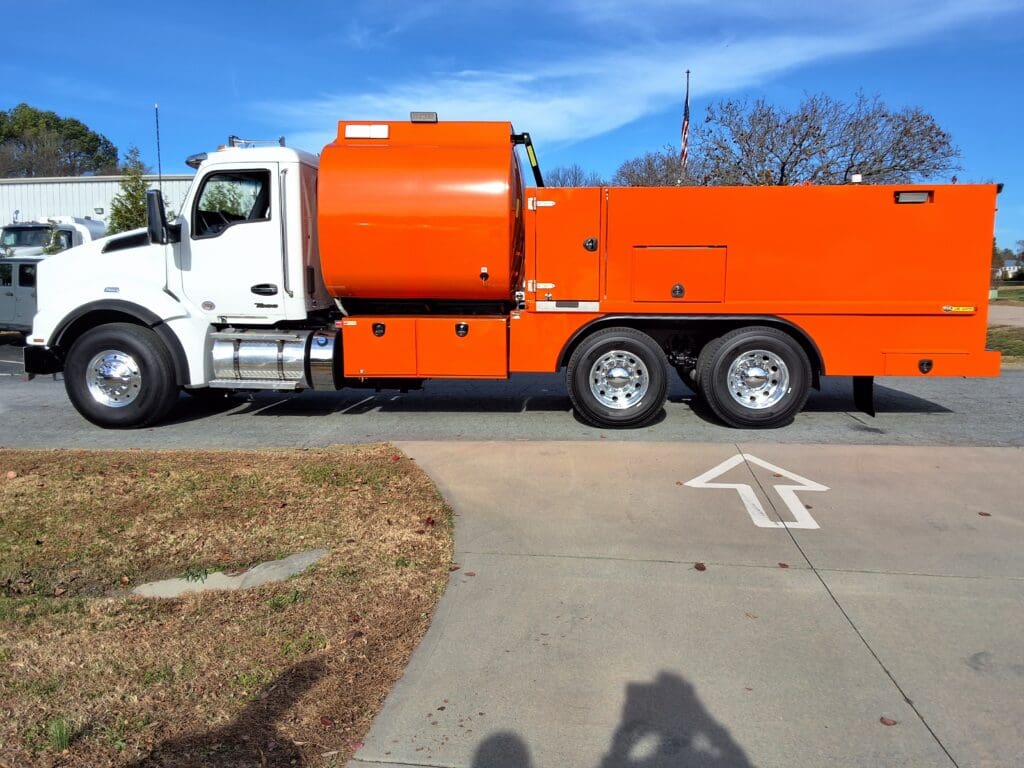
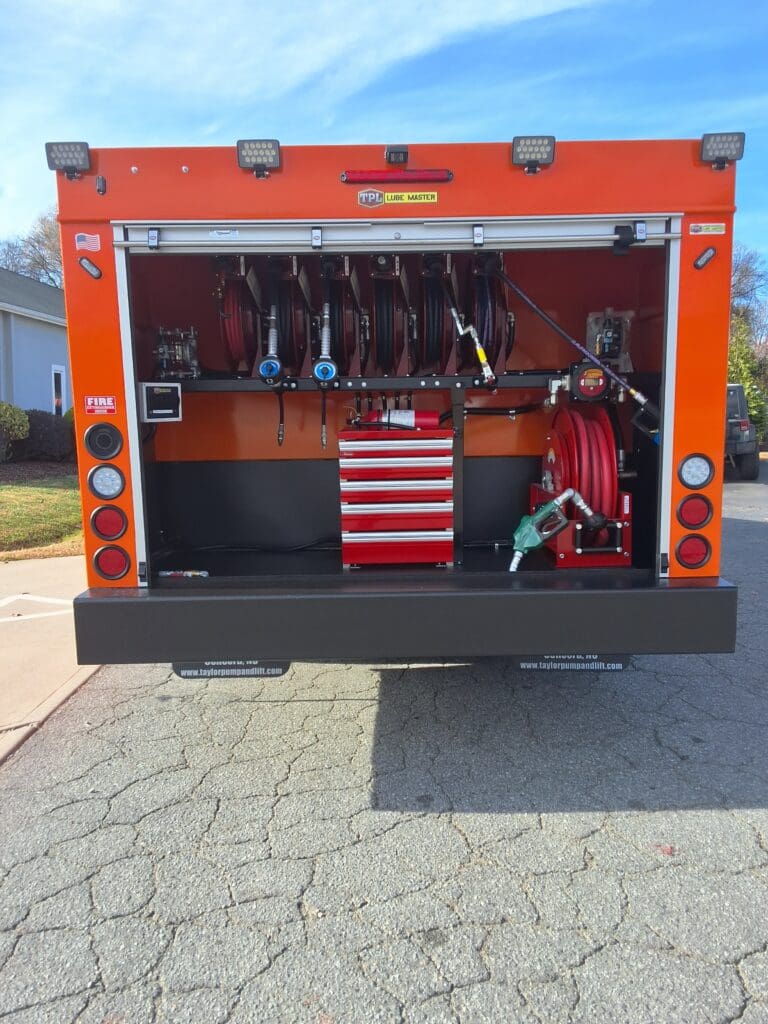
Same base truck, same builder – but two completely different configurations. The details driving each build came from how each company actually runs. Climate factors into that same conversation on other builds. Cold, heat, and dust push some owners toward an enclosed body to protect fluid and inventory from the weather their crew works in, and the chassis already sitting in the fleet, its weight rating, and whether the driver holds a commercial license all frame what’s possible before anything gets mounted.
Why Matching a Lube Truck to the Job Avoids Costly Surprises Later
Getting those details right before the build helps prevent problems once the truck enters daily service. A tank sized for the wrong mix of fluids can create recurring mid-shift shortfalls. A weight rating that isn’t considered during the specification process can create payload or licensing limitations later. On the other end of the spectrum, excess capacity takes up space and adds weight without providing a meaningful benefit to the crew using it.
The goal is to find the right balance: enough capacity and capability to support the work without dedicating valuable space and payload to equipment the operation doesn’t need. That’s why the conversation before the build matters. Understanding what the crew services, what fluids it carries, how much it uses, where it works, and what the truck needs to accomplish gives our team the information needed to develop the right configuration.
A lube truck built around the job does what the crew needs it to do – with tank sizes, components, and systems selected around the actual work instead of the other way around.
Tell us how your crew works, and we’ll help you figure out the right build.

RELATED ARTICLES
Building a Lube Truck Around the Job It Has to Do
A lube truck built around your job fits from day one. See how fluid mix, daily volume, job site, and chassis shape the right custom build.
Customizing Mobile Oil Change Service Trucks for Multi-Site Fleet Work
Keeping multiple job sites serviced takes coordination and the right equipment. When crews are spread out, the way your service truck is set up makes all the difference in how smoothly the day runs. A well-built mobile oil change service truck keeps maintenance consistent and crews productive. It’s not about bells and whistles, but about…
7 Things Fleet Coordinators Should Look For When Shopping for Lube Skids
When your job is to keep crews moving and equipment serviced, a lube skid can be a part of what keeps the whole operation steady. Every hose, pump, and tank plays a role in how smoothly the day runs. Whether it’s your first skid or your fifth, the same principles apply: match the build to…
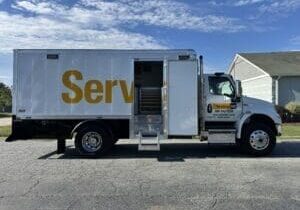
Training New Crews on Your Lube Service Setup & Lube Service Body Before You Roll Out
Bringing new hands onto the crew can shift the pace. There’s a little more explaining, a few extra checks— that’s normal. The key is helping operators get comfortable with your lube setup quickly so the work keeps moving safely and efficiently. At Taylor Pump & Lift, we’ve seen how structured training keeps crews in sync…

Rebuilding a Pump (in Under 30 Seconds)
Our trucks and skids often get the majority of our limelight, but our in-house repair team is a key part of our TPL powerhouse. Working with a variety of oil pumps, meters, and reels, this team often has the tedious (but rewarding) job of diagnosing, repairing, and reassembling equipment for almost every customer in our…
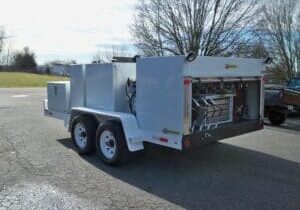
What Makes a Fuel and Lube Trailer Truly Fleet-Ready? Specs That Matter
Fleet maintenance teams count on equipment that performs the same way every day. A fuel and lube trailer or lube service trailer is part of the rhythm that keeps service schedules tight, machines supplied, and crews focused on production instead of waiting on service. A trailer built for fleet work is designed with reliability at…
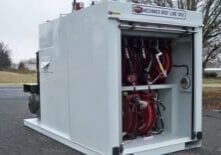
How to Customize a Lube Skid for Service Trucks Across Multiple Sites
If you manage a fleet that’s constantly bouncing between job sites, you know the drill: trucks waiting on fluids, machines parked mid-shift, crews wasting hours on runs back to the shop. Every delay eats into production and drives costs through the roof – and the waste adds up fast for a single truck burning about…

How Decision Makers in Construction Save Money with In-House Mobile Lube Equipment
Similar to most industries, in construction, time is money – which means keeping your vital heavy equipment running smoothly, without unnecessary downtime, is essential to staying on schedule and on budget. This factor is especially important as construction companies across the U.S. work to stay ahead and complete projects before the winter season rolls in…
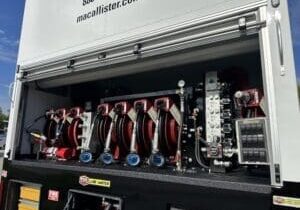
How Lube Trucks Can Help Mining Site Operations Managers Hit Production Targets
It’s well-known that in every industry, the efficiency and durability of equipment are paramount. When your equipment fails, there is an inevitable reduction in productivity because of downtime. Thus, having a strategic preventative primary maintenance schedule is vital to keeping everything running smoothly. Yet, this critical maintenance can create its own problems. Taking the time…

Answer These 4 Questions Before Buying a Water Truck
Scouting the right water truck for your specific application can be challenging. Our customers often have questions regarding key features of the truck itself. Below, we explore the four most important questions you should ask when shopping for a water truck: choosing a chassis, product capacity, pump and spraying system, and new vs. used. But…