Time Management in Primary Maintenance
With COVID-19 continuing to offset business plans around the nation, it’s more important than ever to keep a close eye on product usage and labor hours for your crews. Most business owners and operators are already aware that things like unnecessary travel and broken equipment hurt their profitability, but what exactly can be done to improve time management in the primary maintenance and lubrication industries?
1) Cross train your team – Sometimes, having designated lubrication and fuel technicians is necessary depending on your company size and project needs. However, if your lube tech only knows how to grease equipment but has no idea how or when to fuel them, you could run into a problem if the business environment means cutting hours or positions on your team. Cross-training technicians in both lubrication and fueling skillsets ensures you have versatility in the future.
2) Top off equipment now to save time later – Ever see a piece of equipment that’s 7/8 full of oil or fuel and think to yourself, “I’ll just wait until tomorrow” or “I’ll get it on the next round?” While it may seem beneficial, this strategy can have serious consequences when practiced over time. What if that piece of equipment gets missed tomorrow and becomes damaged due to lack of oil? What if it’s needed on another job site 30 miles away, thus incurring travel costs and loss of time? Topping off equipment on a regular basis avoids these potentially costly situations in the future.
3) Utilize product combination vehicles – If you currently have separate fuel and lubrication trucks or skids, you may be inadvertently duplicating labor hours when you could be consolidating them in to a single piece of equipment. Don’t have the capital to purchase a brand new lube truck or lube skid? Our specialty is custom lube equipment! We’re happy to discuss taking an existing lube truck or skid and making it functional to suit your business needs.
Interested in learning more about our customized build process? Give us a call or fill out the contact form on the Contact page!
This content was curated in part by Cliff Stitt, TPL employee and warehouse manager.

RELATED ARTICLES

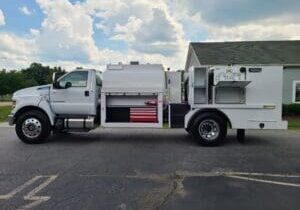
What Determines Whether a Fuel-Lube Truck Fits Your Operation
Fleet size, site layout, and fuel supply determine whether a fuel lube truck fits. Here’s what to consider and what we work through on the build.
Why Crews Keep Coming Back to the Same Lube Truck Builder
Why do crews keep calling the same distributor for their next lube truck? It comes down to asking the right questions before the build begins.
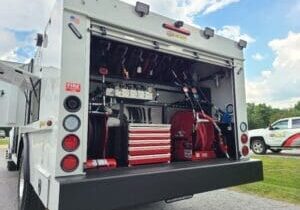
Building a Lube Truck Around the Job It Has to Do
A lube truck built around your job fits from day one. See how fluid mix, daily volume, job site, and chassis shape the right custom build.
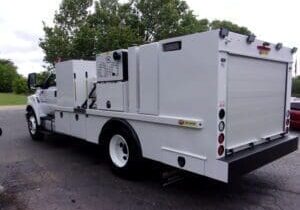
Customizing Mobile Oil Change Service Trucks for Multi-Site Fleet Work
Keeping multiple job sites serviced takes coordination and the right equipment. When crews are spread out, the way your service truck is set up makes all the difference in how smoothly the day runs. A well-built mobile oil change service truck keeps maintenance consistent and crews productive. It’s not about bells and whistles, but about…
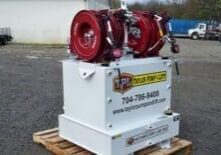
7 Things Fleet Coordinators Should Look For When Shopping for Lube Skids
When your job is to keep crews moving and equipment serviced, a lube skid can be a part of what keeps the whole operation steady. Every hose, pump, and tank plays a role in how smoothly the day runs. Whether it’s your first skid or your fifth, the same principles apply: match the build to…
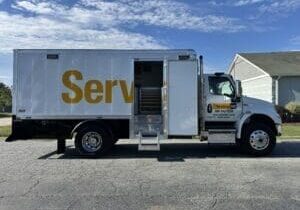
Training New Crews on Your Lube Service Setup & Lube Service Body Before You Roll Out
Bringing new hands onto the crew can shift the pace. There’s a little more explaining, a few extra checks— that’s normal. The key is helping operators get comfortable with your lube setup quickly so the work keeps moving safely and efficiently. At Taylor Pump & Lift, we’ve seen how structured training keeps crews in sync…

Rebuilding a Pump (in Under 30 Seconds)
Our trucks and skids often get the majority of our limelight, but our in-house repair team is a key part of our TPL powerhouse. Working with a variety of oil pumps, meters, and reels, this team often has the tedious (but rewarding) job of diagnosing, repairing, and reassembling equipment for almost every customer in our…
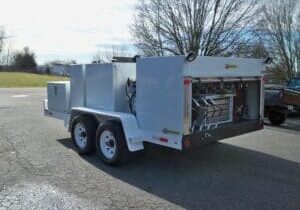
What Makes a Fuel and Lube Trailer Truly Fleet-Ready? Specs That Matter
Fleet maintenance teams count on equipment that performs the same way every day. A fuel and lube trailer or lube service trailer is part of the rhythm that keeps service schedules tight, machines supplied, and crews focused on production instead of waiting on service. A trailer built for fleet work is designed with reliability at…
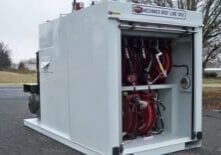
How to Customize a Lube Skid for Service Trucks Across Multiple Sites
If you manage a fleet that’s constantly bouncing between job sites, you know the drill: trucks waiting on fluids, machines parked mid-shift, crews wasting hours on runs back to the shop. Every delay eats into production and drives costs through the roof – and the waste adds up fast for a single truck burning about…

How Decision Makers in Construction Save Money with In-House Mobile Lube Equipment
Similar to most industries, in construction, time is money – which means keeping your vital heavy equipment running smoothly, without unnecessary downtime, is essential to staying on schedule and on budget. This factor is especially important as construction companies across the U.S. work to stay ahead and complete projects before the winter season rolls in…