
Oil Truck or Lube Truck? TPL Explains The Differences
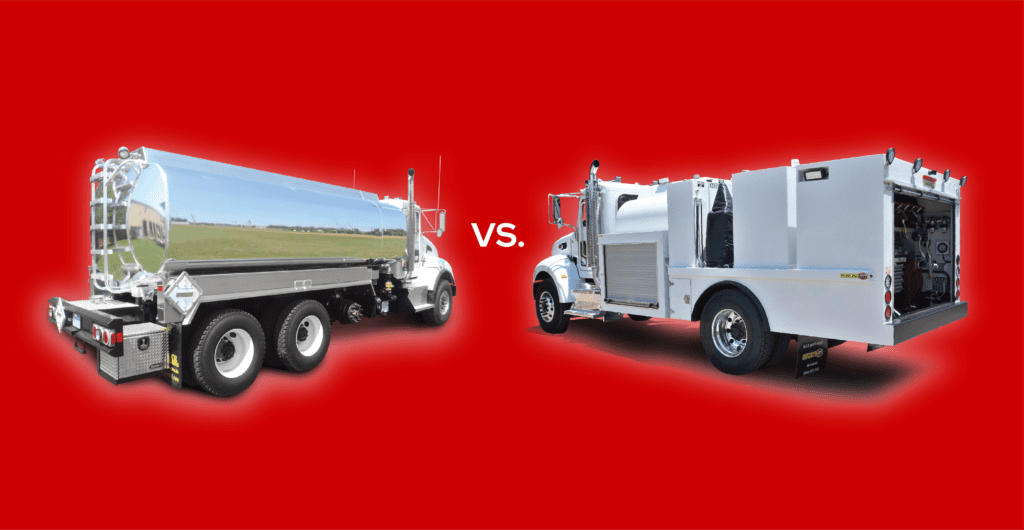
Outside of our industry (and sometimes, within it), people will mistakenly refer to a lube truck as an “oil truck”. While the distinction may seem negligible, it’s important to recognize the differences in these two pieces of equipment, especially when discussing business needs.
Oil Trucks
An oil truck is normally used to deliver bulk oil for stationary tanks and use. Some uses are, but are not limited to:
- Home heating oil
- Local boat and auto dealerships, marinas and manufacturing plants
Since the oil is being sold directly by volume, oil weights and measurement factors will always be part of the setup. Metering devices with associated gauges help track the amount of oil delivered. (A good example of a metering device is a gas pump at a local filling station.) Metering devices and gauges also need to be routinely calibrated to ensure accuracy and efficiency. Finally, most oil trucks are usually owned by the oil distributor.
Lube Trucks
With a completely different mission, a lube truck is typically used to change oil and fluids in heavy equipment, fleet applications and off road vehicles (i.e. mowing tractors that cut grass on the highway). In addition, lube trucks can also be used to fuel and grease the same equipment. Most of the time these trucks are owned by the customer who is servicing his equipment. Unlike an oil truck, there is no type of commerce activity occurring on a lube truck, such as the selling of fluids Lube trucks also come in a variety of sizes, configurations, and have tool storage options.
Need a larger fuel tank to accommodate longer days on the job site? Looking for a specific product layout that other companies just don’t seem to offer?

RELATED ARTICLES
5 Simple Fluid Management Changes That Make Your Fleet Shop Faster
You know how it goes. Your tech walks to the bulk tank, waits for the pump, and heads back to the bay. Then, the hydraulic oil. Then the coolant. Fifteen minutes gone, just moving fluids around, and that’s one service. Every shop has a few minutes “left on the table” – small amounts of time…
7 Signs Your Air and Lube Systems Can’t Keep Up with Fleet Growth
Your fleet’s grown significantly, and that’s a win. Now it’s time to match your air and lube systems (your compressed-air powered pumps, reels, and bulk tanks that move oil and grease through your shop or mobile unit) to your expanded operations. Here’s how you know you’re ready to scale capacity: Your Taylor Pump and Lift…
Quick Checklist for Oil Transfer Pumps on Lube Trailers
Your Taylor Pump & Lift lube trailer is out there every day, fueling excavators, servicing loaders, and keeping equipment running. At the center of that system is your oil transfer pump (also called the stub pump or dispense pump), moving oil from the storage tank through the hose reel and meter to deliver a clean,…

Customizing Mobile Oil Change Service Trucks for Multi-Site Fleet Work
Keeping multiple job sites serviced takes coordination and the right equipment. When crews are spread out, the way your service truck is set up makes all the difference in how smoothly the day runs. A well-built mobile oil change service truck keeps maintenance consistent and crews productive. It’s not about bells and whistles, but about…

7 Things Fleet Coordinators Should Look For When Shopping for Lube Skids
When your job is to keep crews moving and equipment serviced, a lube skid can be a part of what keeps the whole operation steady. Every hose, pump, and tank plays a role in how smoothly the day runs. Whether it’s your first skid or your fifth, the same principles apply: match the build to…

Training New Crews on Your Lube Service Setup & Lube Service Body Before You Roll Out
Bringing new hands onto the crew can shift the pace. There’s a little more explaining, a few extra checks— that’s normal. The key is helping operators get comfortable with your lube setup quickly so the work keeps moving safely and efficiently. At Taylor Pump & Lift, we’ve seen how structured training keeps crews in sync…

Rebuilding a Pump (in Under 30 Seconds)
Our trucks and skids often get the majority of our limelight, but our in-house repair team is a key part of our TPL powerhouse. Working with a variety of oil pumps, meters, and reels, this team often has the tedious (but rewarding) job of diagnosing, repairing, and reassembling equipment for almost every customer in our…

What Makes a Fuel and Lube Trailer Truly Fleet-Ready? Specs That Matter
Fleet maintenance teams count on equipment that performs the same way every day. A fuel and lube trailer or lube service trailer is part of the rhythm that keeps service schedules tight, machines supplied, and crews focused on production instead of waiting on service. A trailer built for fleet work is designed with reliability at…

How to Customize a Lube Skid for Service Trucks Across Multiple Sites
If you manage a fleet that’s constantly bouncing between job sites, you know the drill: trucks waiting on fluids, machines parked mid-shift, crews wasting hours on runs back to the shop. Every delay eats into production and drives costs through the roof – and the waste adds up fast for a single truck burning about…

How Decision Makers in Construction Save Money with In-House Mobile Lube Equipment
Similar to most industries, in construction, time is money – which means keeping your vital heavy equipment running smoothly, without unnecessary downtime, is essential to staying on schedule and on budget. This factor is especially important as construction companies across the U.S. work to stay ahead and complete projects before the winter season rolls in…