Why TPL Lube Trucks Are The Most Reliable
Reliability (noun): “performing consistently well, to a degree which the result can be depended on.”
When you have a lube truck, skid, or system, reliability is a product characteristic that isn’t just expected – it’s non-negotiable. Your fluid exchange equipment needs to work reliably. But what does that mean to have a reliable lube truck?
1. It has to perform consistently.
Consistency is at the top of the list when it comes to equipment reliability. TPL lube systems are pump-driven, which offers unique advantages over air-driven systems – especially as colder weather looms on the horizon. Pumps operate in almost all weather types, even colder temperatures that would normally cause air-based systems to slow down significantly, or even stop altogether. Additionally, TPL offers insulation and heating options for all types of product tanks, making it easier to maintain a consistent flow rate, regardless of ambient temps or product viscosity. These can be integrated on to any of our open-body or enclosed body lube trucks.
For more info on how these systems are superior, check out our post about four common misconceptions about pump-based fluid exchange systems (and how we’ve debunked them!)
2. It has to be easily repairable or replaceable.
A single broken part can quickly escalate into a full day’s worth of workflow disruption. Online ordering gets tricky, especially when you’ve waited days for a part to come in from a random online vendor, only to discover that it’s not actually compatible with your equipment because it’s a random off-brand (which sometimes can damage the lube system even further), etc.
At TPL, we know that having the right part when you need it can prevent unnecessary downtime and (often) an unnecessary headache. We stock genuine parts in-house, and have solid, tenured vendor relationships if we need to drop-ship a part from their nationwide warehouses for a faster turn-around time. If your part needs repair, we can do that too! We even offer loaner options for some parts, which can be replaced in-the-field by your technicians – meaning less downtime, less hassle, and less profit loss for your business.
We also offer online ordering for some of the most-used (and most-replaced) parts, including free expedited shipping.
3. It has to last as long as possible.
All TPL products are built on the foundation of exceptional quality craftsmanship. Our lube trucks, ;ube skids, ;ube trailers, tanks, and lube systems are constructed to improve the longevity of your products during everyday use through thoughtful, ergonomic design and individualized, custom layouts that meet your application needs from the start.
We also stand by our tank and component quality, as noted in our industry-leading, 5-year warranty. If any part of your TPL product fails, we have an in-house team ready to help diagnose and resolve your issue quickly and with the best possible outcome for your business.
Need more convincing that our products are the best in the business? Let us show you the difference. Contact one of our reps for more info on how TPL products are the best fit for you.

RELATED ARTICLES

What Determines Whether a Fuel-Lube Truck Fits Your Operation
Fleet size, site layout, and fuel supply determine whether a fuel lube truck fits. Here’s what to consider and what we work through on the build.
Why Crews Keep Coming Back to the Same Lube Truck Builder
Why do crews keep calling the same distributor for their next lube truck? It comes down to asking the right questions before the build begins.
Building a Lube Truck Around the Job It Has to Do
A lube truck built around your job fits from day one. See how fluid mix, daily volume, job site, and chassis shape the right custom build.
Customizing Mobile Oil Change Service Trucks for Multi-Site Fleet Work
Keeping multiple job sites serviced takes coordination and the right equipment. When crews are spread out, the way your service truck is set up makes all the difference in how smoothly the day runs. A well-built mobile oil change service truck keeps maintenance consistent and crews productive. It’s not about bells and whistles, but about…
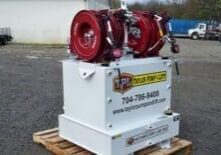
7 Things Fleet Coordinators Should Look For When Shopping for Lube Skids
When your job is to keep crews moving and equipment serviced, a lube skid can be a part of what keeps the whole operation steady. Every hose, pump, and tank plays a role in how smoothly the day runs. Whether it’s your first skid or your fifth, the same principles apply: match the build to…
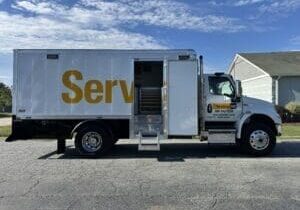
Training New Crews on Your Lube Service Setup & Lube Service Body Before You Roll Out
Bringing new hands onto the crew can shift the pace. There’s a little more explaining, a few extra checks— that’s normal. The key is helping operators get comfortable with your lube setup quickly so the work keeps moving safely and efficiently. At Taylor Pump & Lift, we’ve seen how structured training keeps crews in sync…

Rebuilding a Pump (in Under 30 Seconds)
Our trucks and skids often get the majority of our limelight, but our in-house repair team is a key part of our TPL powerhouse. Working with a variety of oil pumps, meters, and reels, this team often has the tedious (but rewarding) job of diagnosing, repairing, and reassembling equipment for almost every customer in our…
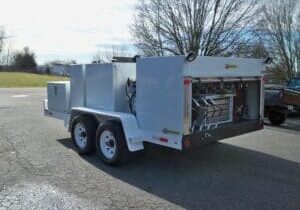
What Makes a Fuel and Lube Trailer Truly Fleet-Ready? Specs That Matter
Fleet maintenance teams count on equipment that performs the same way every day. A fuel and lube trailer or lube service trailer is part of the rhythm that keeps service schedules tight, machines supplied, and crews focused on production instead of waiting on service. A trailer built for fleet work is designed with reliability at…
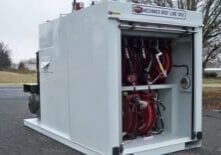
How to Customize a Lube Skid for Service Trucks Across Multiple Sites
If you manage a fleet that’s constantly bouncing between job sites, you know the drill: trucks waiting on fluids, machines parked mid-shift, crews wasting hours on runs back to the shop. Every delay eats into production and drives costs through the roof – and the waste adds up fast for a single truck burning about…

How Decision Makers in Construction Save Money with In-House Mobile Lube Equipment
Similar to most industries, in construction, time is money – which means keeping your vital heavy equipment running smoothly, without unnecessary downtime, is essential to staying on schedule and on budget. This factor is especially important as construction companies across the U.S. work to stay ahead and complete projects before the winter season rolls in…