
5 Simple Fluid Management Changes That Make Your Fleet Shop Faster
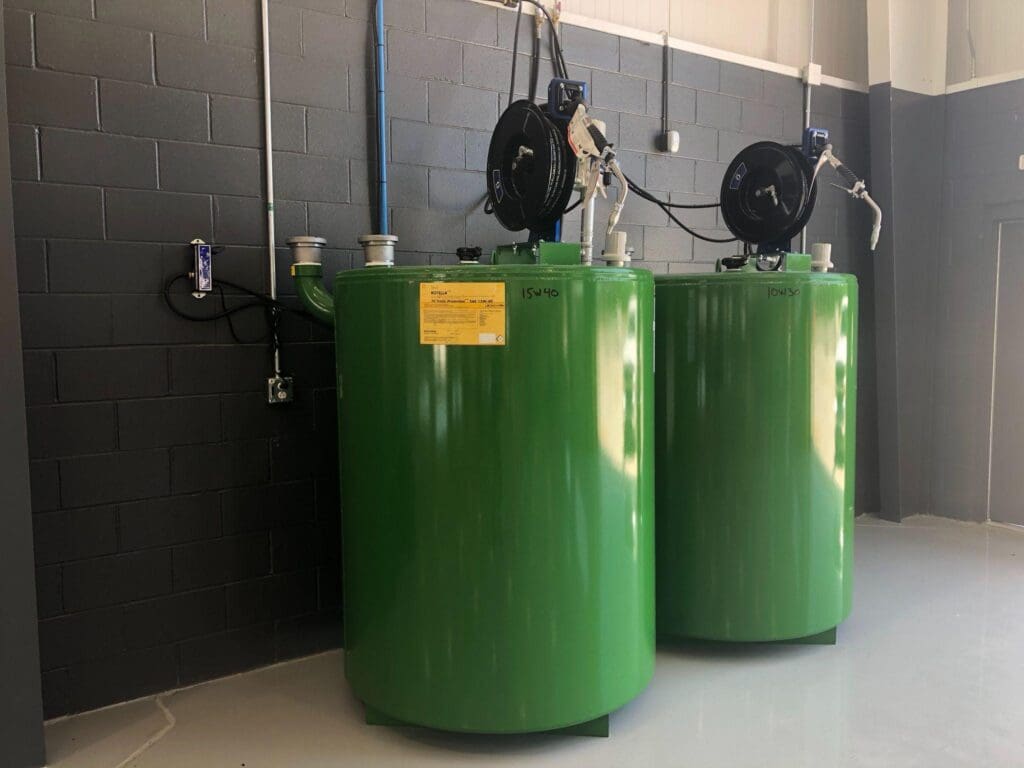
You know how it goes. Your tech walks to the bulk tank, waits for the pump, and heads back to the bay. Then, the hydraulic oil. Then the coolant. Fifteen minutes gone, just moving fluids around, and that’s one service.
Every shop has a few minutes “left on the table” – small amounts of time that add up across every bay, every shift. The time your crew saves on fluid management goes straight to wrench time and more jobs getting done each day. We’ve seen it firsthand at Taylor Pump & Lift: when fluids are staged right, and the setup matches how your crew actually works, you get fewer interruptions, fewer mix-ups, and a smoother rhythm in the bays.
What does that mean? More equipment is serviced without your crew running all day.
These are simple upgrades you can make to most shop fluid systems without tearing up your shop or breaking the budget. They’re practical fixes that help your team work faster without tearing up your shop or breaking the budget.
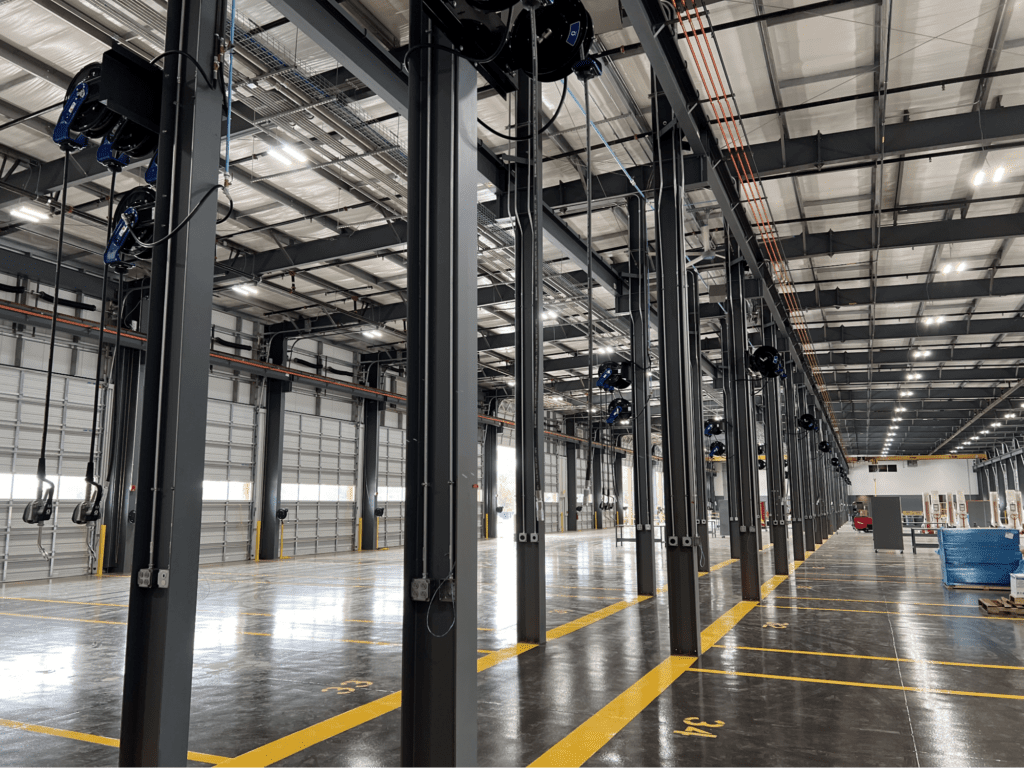
Change #1: Place Reels Where Techs Actually Work
Most shops set up bulk oil reels based on available wall space or where the equipment fits during installation. That works … until it doesn’t. Track a tech during a single service and count the steps.
If your crew is making long walks just to grab fluids for a standard oil change, tighten up the layout.
- Put your top three fluids (engine oil, hydraulic oil, and coolant) within 10 feet of your busiest bays
- Mount reels at shoulder height so techs aren’t reaching or crouching all day
- Position waste oil collection right next to service pits/drain areas
What to prioritize:
- Engine oil closest to PM bays: Saves steps on every service if you’re running 15-20 oil changes weekly.
- Hydraulic fluid near equipment repair bays: Keeps techs in the bay when servicing heavy equipment.
- Waste oil at the drain pit: Less carrying, faster turnarounds.
When fluids are within arm’s reach, techs stay in rhythm.
Change #2: Upgrade to Air-Powered Pumps on High-Use Fluids
Gravity-fed systems setups and hand pumps are simple, but they get slow fast when you’re trying to turn equipment. If a tech is standing there waiting on a fill—especially on thicker oils—you’re burning minutes that don’t show up on the work order.
That’s where air-powered pumps earn their keep. A shop-grade air-operated pump rated around 15 GPM can move high-use fluids fast enough that your tech isn’t standing there waiting on a fill.
Start with engine oil (the one you dispense the most). Then move to hydraulic oil. Coolant and DEF can follow based on your volume and how your bays are set up.
What works well in fleet shops:
- Flow rate: 15-20 GPM handles loaders, excavators, and haul trucks efficiently without creating overfill concerns.
- Built for continuous duty: Cast-iron housings and sealed bearings handle all-day shop use better than field-grade pumps.
- Filtration built in: Keeps contamination out of the fluid stream and helps pumps last longer between maintenance.
Twenty maintenance services per week, saving five minutes each, gives you 100 minutes back weekly. That’s over 80 hours per year redirected to productive service work.
Change #3: Set Up Waste Oil Stations That Keep Service Moving
Waste oil collection usually grows organically—drums get parked wherever there’s space, and it works… until it doesn’t. Once volume outpaces capacity, the pain shows up mid-shift. A drum fills up, and now techs are losing time hunting down an empty drum or container, or waiting for a pickup. Good waste oil management keeps bays from stalling when the work is stacked up.
Dedicated waste oil stations sized for your actual weekly volume keep things moving. If your shop generates 120 gallons per week, a tank with 150–180 gallons of capacity gives you enough headroom to avoid mid-week pump-outs and keep service on schedule.
Position waste oil collection next to service pits and oil change bays—where techs are already working. And if your shop layout is tight or always changing, a moveable waste oil cart can do the same job without permanently eating up floor space
What makes this work:
- Size tanks to 1.5x weekly drain volume: Track two weeks of waste oil generation. Use that number to size tanks so you stay ahead of busy weeks.
- Secondary containment under every tank: Keeps you SPCC-compliant and catches small leaks before they spread. Containment needs to hold your largest tank’s full volume.
- Schedule pickups before 90% capacity: Regular pickups with your recycler mean tanks stay below capacity even during heavy service weeks.
When waste oil handling is straightforward, techs drain and move on, and service stays on schedule.
Change #4: Label Every Fluid for Speed and Accuracy
Shops running multiple fluid types benefit from clear identification. When reels and tanks are labeled well, techs can grab what they need without double-checking. When labels are faded, missing, or unclear, there’s hesitation, and occasionally a mix-up that costs hours to fix.
Label every tank, reel, hose, and dispense point with durable, oil-resistant labels. The goal is simple. The tech should know what it is at a glance, even on a busy day.
Labeling that lasts:
- Industrial-grade labels: Oil-resistant, UV-stable, permanent adhesive. Built to last years, not months.
- Eye-level placement: Position labels where techs naturally look when reaching for a hose—not too low, not too high.
- Clear reel and tank labels: Use durable, oil-resistant labels on every tank, reel, hose, and dispense point so techs can grab the right fluid without second-guessing. Add vinyl reel stickers (applied before delivery) to keep identification consistent across the whole setup.
Clear labels remove guesswork and help prevent the kind of fluid mix-ups that shut down service for hours.
Fix #5: Catch Spills Before They Spread
Small drips happen in any shop. A fitting starts to seep. A splash on disconnect. A little product on the floor that turns into a bigger cleanup later. The goal is not perfection. It is having the right containment in the right places so a minor mess does not turn into a stalled bay.
Start with bulk storage. Secondary containment under bulk tanks and drums catches leaks at the source and makes cleanup faster. From there, focus on the connections and the day-to-day habits that keep drips from spreading.
Simple spill prevention that works:
- Secondary containment at storage: Use containment pallets or berms under drums and bulk tanks so leaks stay contained and do not reach the floor.
- Tight, repeatable connection practices: Keep fittings in good shape, replace worn seals early, and use shutoffs where it makes sense so hoses are not dripping between uses.
- Dedicated drain and filter containment: If you are handling used filters and waste oil daily, having a dedicated drain pan or containment area keeps that mess controlled and out of foot traffic.
When spills land in containment instead of spreading across the floor, cleanup is faster, the shop stays safer, and the work keeps moving.
Pick one fix that addresses your biggest bottleneck right now and implement it this month. Track the time you get back. Then move to the next change.
Ready to Build a Fluid Management System Around How Your Shop Actually Works?
If your shop has outgrown patchwork fluid handling, or you’re building capacity and want to set things up right from the start, custom fluid management systems designed for fleet maintenance might make sense.
At Taylor Pump & Lift, we design fluid management systems around how your crew actually works. That includes practical fluid storage solutions, pump selection, and reel placement that match your bay workflow, not just what fits on the wall.
Bulk storage, air-powered pumps, and reel placement that match your bay workflow, not just what fits on the wall. Custom lube trucks and skids built for the equipment you service most, waste oil recovery sized to your drain schedule, and systems that handle the fluid volumes your shop moves every week.
Ready to see what a purpose-built system looks like for your operation? Contact Taylor Pump & Lift to talk with our team about lube systems designed to keep your crew productive and your bays moving.

RELATED ARTICLES
The Intersection of Templates and Digital Marketing Strategies
The Intersection of Templates and Digital Marketing Strategies Templates have become a cornerstone in digital marketing, streamlining processes and enhancing creativity. They offer a structured approach to crafting marketing materials, allowing marketers to focus on strategy rather than getting bogged down in design details. Understanding how to effectively integrate templates into your digital marketing strategy…
5 Simple Fluid Management Changes That Make Your Fleet Shop Faster
You know how it goes. Your tech walks to the bulk tank, waits for the pump, and heads back to the bay. Then, the hydraulic oil. Then the coolant. Fifteen minutes gone, just moving fluids around, and that’s one service. Every shop has a few minutes “left on the table” – small amounts of time…
7 Signs Your Air and Lube Systems Can’t Keep Up with Fleet Growth
Your fleet’s grown significantly, and that’s a win. Now it’s time to match your air and lube systems (your compressed-air powered pumps, reels, and bulk tanks that move oil and grease through your shop or mobile unit) to your expanded operations. Here’s how you know you’re ready to scale capacity: Your Taylor Pump and Lift…
Quick Checklist for Oil Transfer Pumps on Lube Trailers
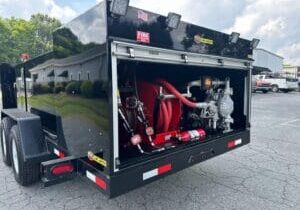
Your Taylor Pump & Lift lube trailer is out there every day, fueling excavators, servicing loaders, and keeping equipment running. At the center of that system is your oil transfer pump (also called the stub pump or dispense pump), moving oil from the storage tank through the hose reel and meter to deliver a clean,…
Approaches to Streamline Your Tax Filing Process with Templates
Approaches to Streamline Your Tax Filing Process with Templates The tax filing process can often feel overwhelming. With numerous forms, numbers to crunch, and deadlines looming, it’s no wonder many people dread tax season. However, utilizing templates can significantly simplify this task. Templates not only save time but also ensure accuracy, helping you avoid costly…
Online Casino Guide
Online Casino Guide Introduction Le jeu en ligne attire chaque jour davantage de joueurs francophones désireux de profiter d’une offre riche et sécurisée. Face à la multitude de sites disponibles, il devient indispensable de disposer d’un guide fiable qui éclaire le choix du meilleur environnement de jeu. Pour vous aider à naviguer dans ce paysage…
Guide complet du casino en ligne – Tout ce que vous devez savoir
Guide complet du casino en ligne – Tout ce que vous devez savoir Introduction Le phénomène des jeux de hasard sur Internet ne montre aucun signe de ralentissement. En France comme à l’étranger, les joueurs affluent chaque jour vers des plateformes qui promettent des graphismes immersifs, des bonus généreux et la possibilité de jouer depuis…
Guide complet du casino en ligne : tout ce qu’il faut savoir avant de jouer
Guide complet du casino en ligne : tout ce qu’il faut savoir avant de jouer Le jeu en ligne connaît une croissance fulgurante en France depuis la légalisation du secteur il y a quelques années. Les Français apprécient la commodité d’un accès instantané depuis un smartphone, la variété des offres et les promotions agressives qui…
Guide complet du casino en ligne : tout ce qu’il faut savoir avant de jouer
Guide complet du casino en ligne : tout ce qu’il faut savoir avant de jouer Le jeu en ligne connaît une croissance fulgurante en France depuis la légalisation du secteur il y a quelques années. Les Français apprécient la commodité d’un accès instantané depuis un smartphone, la variété des offres et les promotions agressives qui…
Guide complet du casino en ligne : tout ce que vous devez savoir en 2026
Guide complet du casino en ligne : tout ce que vous devez savoir en 2026 Le marché du jeu français vit une véritable renaissance numérique depuis quelques années. Les joueurs recherchent la rapidité d’accès, la diversité des jeux et surtout des offres promotionnelles alléchantes qui font grimper les bankrolls dès les premiers dépôts. Cette évolution…